

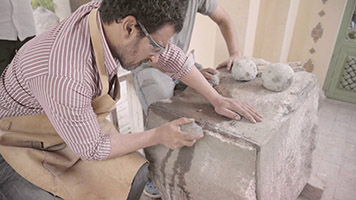
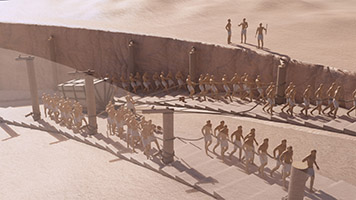
Egypt has long drawn archaeologists to its pyramids. Over the past few decades, significant discoveries have taken place on the sites where the pyramids stand. Now, hundreds of kilometers from the pyramids themselves, we are gaining more insight into just how they were built. Two teams of Egyptologists, one based in the desert and the other located on the Red Sea coast, are uncovering more about the Egypt of Khufu’s time. Khufu may be most remembered for the iconic Great Pyramid of Giza, but this research aims to discover more about how the ancient Egyptians worked, outside the pyramids. This film was shot by a film crew embedded for several weeks within these two archaeological missions. The documentary team filmed archaeological experiments in real time, revealing ancient techniques and methods and unlocking the secrets of these ancient and great builders.
Length: 54 mins.
Country: France
Language: English
Director: Florence Tran
Producer: Stéphane Milliére
Distributor: Terranoa
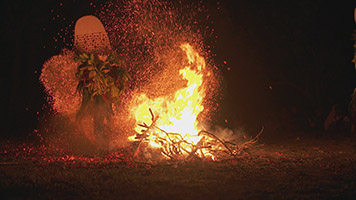
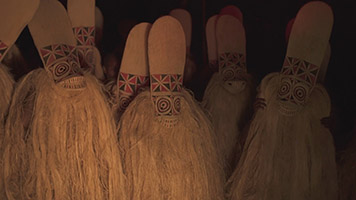
This film showcases the ritual fire dance of the Baining tribe, a group indigenous to East New Britain, Papua New Guinea. Several times a year, the tribes comes together after three days of preparation. The ensuing celebration features a huge fire, dancing, masks, and costumes. The elaborate masks are particularly interesting, as they are laboriously constructed from natural materials found locally and used for just one festival before being discarded. “Papua New Guinea: The Fire Dance” invites you to witness this beautiful and elusive event for yourself.
Length: 27 mins.
Country: France
Language: English
Directors: Agnes Molia and Mikael Lefrancois
Producer: Tournez S'il Vous Plait
Distributor: ARTE France
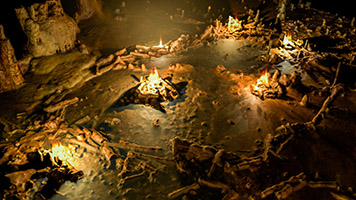
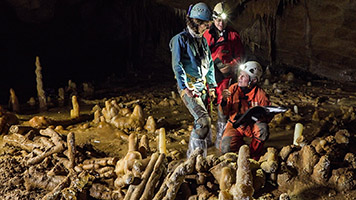
Who built a structure made up of more than 400 broken stalagmites roughly 1000 feet inside a cave in the Aveyron gorges of France? When was this structure created and for what purpose? Since its discovery in 1990, Bruniquel Cave has kept the secrets of its architecture and creation. In 2014, a team of researchers returned to the cave, hoping to solve the enigma. This documentary has followed their progress for four years, both in their laboratories and in Bruniquel itself. Exclusively, we have witnessed one of the most important archaeological discoveries of our time. The Neanderthal is at the center of it all.
Length: 54 mins.
Country: France
Language: English and French with English Subtitles
Director: Luc-Henri Fage
Producers: Coproduction GEDEON Programmes, FELIS Production, ARTE France, and CNRS Images
Distributor: Terranoa
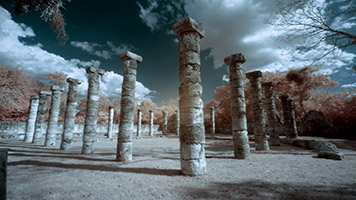
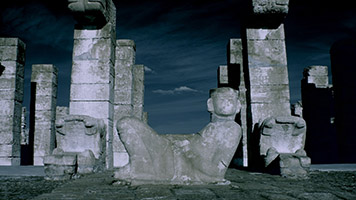
This time-lapse documentary uses stunning cinematography to demonstrate archaeo-astronomical phenomena in the Mayan areas. Condensing a year of astronomical alignments into just minutes, the film portrays a stunning view of Mayan temples “in action.” These places were built in significant locations with painstaking attention to detail, but they were built and existed in connection with significant astronomical alignments, such as the equinoxes and solstices. “Mayan Time” strives to capture the temporal nature of these sacred spaces and show the beauty and antiquity that make them truly irresistible.
Length: 9 mins.
Country: Mexico
Language: English
Director: Alberto Jose Doctorovich
Producer: Alberto Bross
Distributor: Alberto Jose Doctorovich
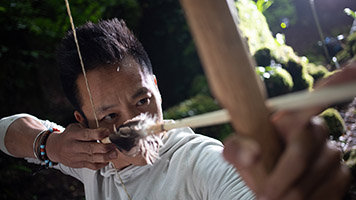
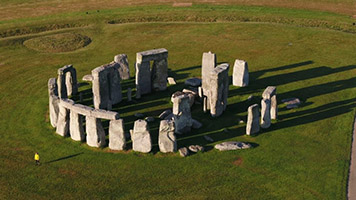
Stonehenge is one of the most iconic monuments of prehistory, but surrounded in mystery. Why was it built at this particular site in southern England 5000 years ago? Three thousand years before work began on the first Stonehenge, the same area was inhabited by mysterious hunter-gatherers. Just a mile from the stone circle itself, at Blick Mead spring, archaeologists have been uncovering an 8000-year-old site with a unique stone structure that offers a tantalizing clue to why Stonehenge is where it is. Their unprecedented finds, including tens of thousands of stone tools, change our understanding of these people, their origins and their lives. For thousands of years, they kept returning to this place. Albert Lin goes on an epic high-tech adventure across England and Scandinavia to discover their secrets and to reveal the inheritance they passed on to the builders of Stonehenge.
Length: 46 mins.
Country: United Kingdom
Language: English
Director: Mathew Thompson
Producer: Arrow Media

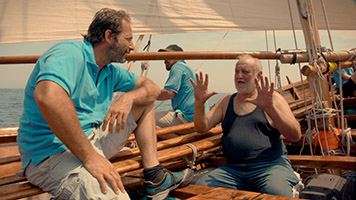
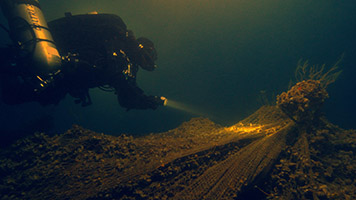
This film revolves around the 1866 Battle of Lissa, the first naval fleet battle to involve Ironclad warships, which triggered a fundamental geopolitical intgersection for several European nations in the context of the “Italian Risorgimento”—the unification of different Italian states into the Kingdom of Italy during the 19th century. The documentary team conducted underwater photography of the highest technical quality, shedding new light on the spirit of underwater exploration. From the point of view of naval archaeological history, it carries out a deep and complex dive of significant scientific value on a legendary wreck lost in the depths of the Adriatic Sea. This story moves forward as a poetic and personal tale full of action and wonder in a mosaic of visual, historical, anthropological, and mythological references.
Length: 77 mins.
Country: Italy, Croatia
Language: Italian, Croatian, and English; All with English subtitles
Director: Nicolo Bongiorno
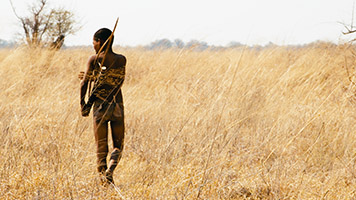
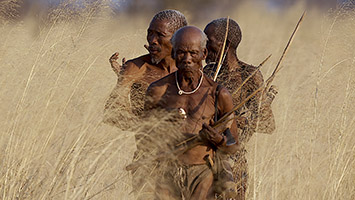
Humans have hunted and gathered for thousands of years for survival, living as part of nature, without destroying anything. Today, only a few regions are left on earth where the hunter-gatherer life cycle continues. One of those very special places is the Tsumkwe region in Namibia. With footage shot recently, not archival footage, “The Last Tribes” showcases the life of the Ju’/Hoansi San People, one of the extraordinary peoples of Namibia, some of whom have chosen to honor their traditional lifeway and continue to commune with nature.
Length: 54 mins.
Country: Turkey
Language: Turkish with English Subtitles
Director: Ebru Cakirkaya
Producer: Guven Aksu
Distributor: Turkish Radio and Television Corporation
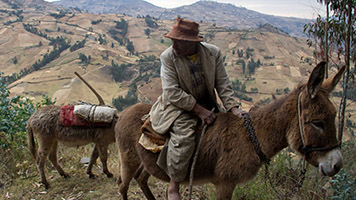
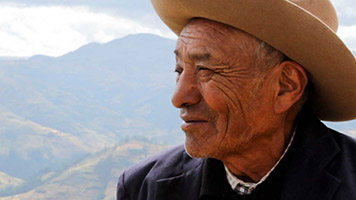
This film traces the career of one of the last "hueseros," or bonesetters, in Chugurpampa, Peru—80-year-old Don Felipe. Medical anthropologist Kathryn Oths has long been concerned with the survival of indigenous healing. She got to know Don Felipe in the 1980s while conducting fieldwork in Chugurpampa. At that time, dozens of healers offered their services to the sick and injured, but 25 years later, Don Felipe is now the sole provider of traditional health care for Chugurpampa. Besides being a well-known bonesetter and herbalist, over time he also took on the roles of midwife and healer for illnesses unique to the Andes, such as susto (soul loss from fright). While there is a modern medical center, it is seldom staffed by doctors and has few medicines to prescribe, so Don Felipe has become the only trusted source of health care for miles around.
Length: 27 mins.
Country: Peru
Language: English and Spanish with English Subtitles
Director: Adam Booher, Kathryn Oths
Distributor: Documentary Educational Resources (DER)
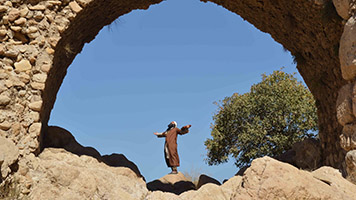
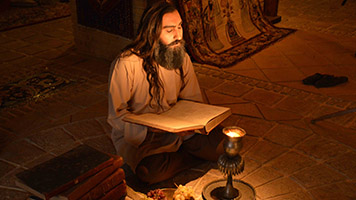
This documentary explores the impacts of Hafez and Goethe, two of the most prominent poets of all time. “Hafez and Goethe” takes a closer look at how Hafez, a Persian poet writing in the 14th century, came to have a strong impact and influence on Goethe, a German poet writing in the late 18th and early 19th centuries. Hafez’s influence is best explored through Goethe’s invaluable collection of poems called “West–Eastern Diwan.” This collection can be seen as an early example of the blending of Western and Eastern cultures in art.
Length: 78 mins.
Country: Iran
Language: Farsi with English subtitles
Director: Farshad Fereshteh Hekmat
Producer: The Documentary and Experimental Film Center
Distributor: The Documentary and Experimental Film Center

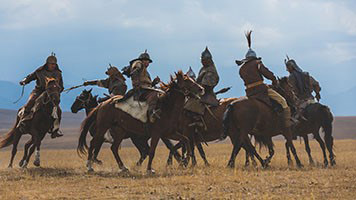
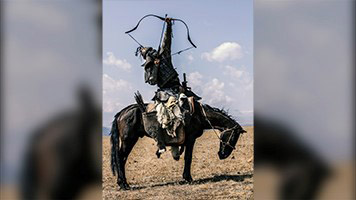
The advent of horse riding was a momentous step in human history, but when and how did our ancestors first learn to master these animals? “First Horse Warriors” unlocks this mystery on the vast, grassy plains of Kazakhstan, in Central Asia, where wild horses still roam free and nomadic herders follow their traditional way of life. Investigating clues from archaeology and genetics, researchers reveal vivid evidence of the very first horsemen. Along the way, they discover the genetic link between ancient horsemen and millions of people today.
Length: 53 mins.
Country: Canada, USA
Language: English
Director: Niobe Thompson
Producer: Larry Klein for WGBH Nova
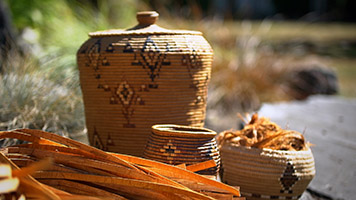
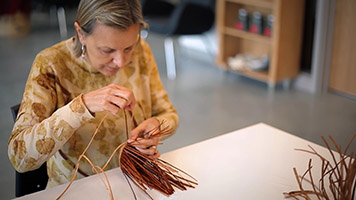
This short and expressionist documentary explores the relationship between the cedar tree and three indigenous women who work with it, weave with it and live with it. Three Salish women hold knowledge of cedar, passed down from their grandmothers and mothers. They commune with this sacred tree as they practice and share their culture and art in both traditional and contemporary contexts. To them, cedar is a life-giver and a transformer. “Cedar: Tree of Life” reveals how each woman uses cedar and how cedar expresses itself through them. From garments to homes to a burial material for those who have passed on, cedar was and is inextricably linked to all aspects of life.
Length: 12 mins.
Country: Canada
Language: English
Director: Odessa Shuquaya
Producer: April Johnson