
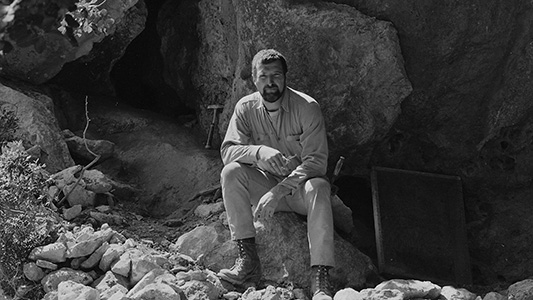
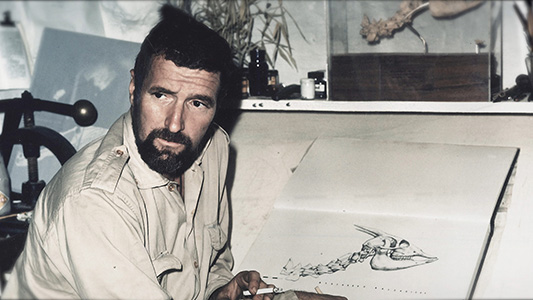
William Waldren (1924-2003) was a multifaceted, restless, charismatic, and controversial artist who arrived on Mallorca in 1953. A pioneer, self-taught in the archaeology and prehistory of the Balearic [bawl-ee-AIR-ick] Islands, he excavated the sites of Muleta, where he found more than a thousand specimens of the now-extinct Balearic Islands cave goat, and Son Matge [sohn-MAWT-jay], one of the oldest examples of human settlement in the Balearic Islands. He applied the Carbon-14 dating method here for the first time. As the epicenter of the cultural movement in the expatriate-friendly village of Deiá since the late 1950s, he was a painter, sculptor, artistic designer, and a lover of his host land and its people. This true entrepreneur, over time, managed to become a benchmark in the world of archaeology.
Length: 68 mins.
Country: Spain
Language: Catalan, Dutch, English
Director: Joan Bonet
Producer(s): Núria Cano
Distributor: La Perifèrica produccions sl

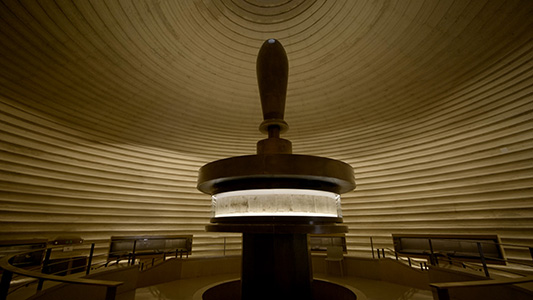
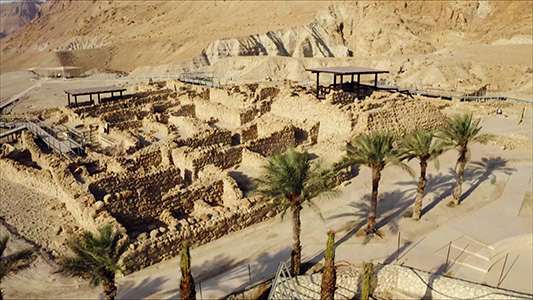
It is called the Book of Books. The Bible is the most extraordinary bestseller of all time and the most widely read and reproduced book globally. However, its first and more prominent part, the Old Testament, pillar of three monotheistic religions, has one peculiarity: we do not know the authors! When was the Bible written? By whom? In what circumstances? With what objective? These questions remained unanswered for a long time. Still, since the discovery of the Dead Sea Scrolls in 1947, the in-depth study of the texts, and the progress of science and recent archaeological discoveries, the veil on one of the most significant historical mysteries are gradually being lifted. In this fascinating archaeological and scientific investigation, we set out to meet the most eminent specialists on the Bible to try to answer this great question: who wrote the Bible?
Length: 53 mins.
Country: France
Language: English
Director: Nathalie Laville
Producer(s): TOURNEZ S'IL VOUS PLAÎT (website)
Distributor: Grand Angle distribution
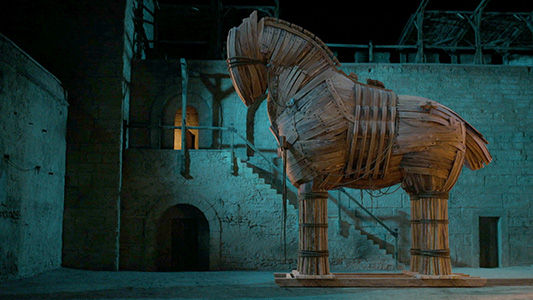
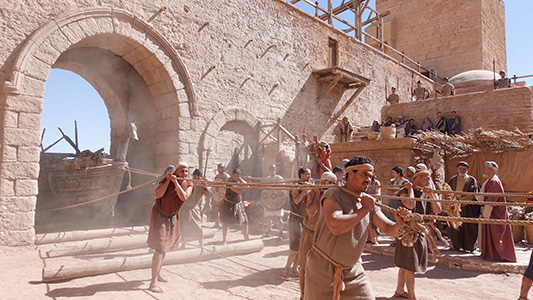
The story of the Trojan Horse is one of the most famous myths in the world. A gigantic wooden horse is loaded with Greek soldiers and presented to the Trojans. Under cover of darkness, the Greeks slip out of the horse and open the gates to their comrades. Only hours later, mighty Troy goes up in flames, making the Trojan Horse an example of an ingenious strategy and how easy it is to trick people. However, what if the story is not true at all? This elaborately shot film presents new archaeological findings that help solve this 3000-year-old mystery.
Length: 50 mins.
Country: Germany
Language: English, German
Director: Roland May
Producer(s): Gruppe 5 for ZDF in association with Arte and ZDF Enterprises
Distributor: ZDF Enterprises GmbH (website)
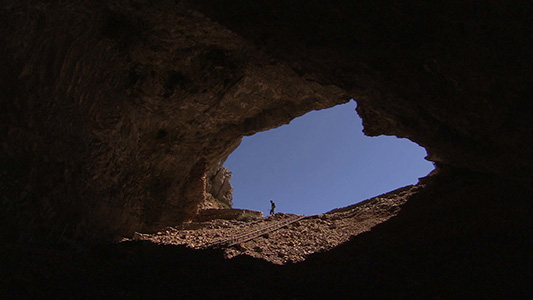
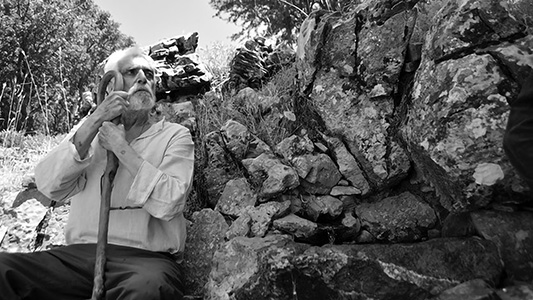
This is a film about time, memory, and nostalgia. Highlighting the beauty of archaeology and excavation through a biographical portrait of late archaeologist Yannis Sakellarakis, ideas about the nature of time, as well as our place in it, inspire deep introspection. This journey in search of a man who is no longer present utilizes the traces he left in the places he has been to and the people he met to gain an understanding. The viewer will witness a cinematic excavation that brings to light an image through fragments and traces, just as archaeology does.
Length: 97 mins.
Country: Greece
Language: Greek with English Subtitles
Director: Dionysia Kopana
Producer(s): Maria Gentekou
Distributor: Maria Gentekou


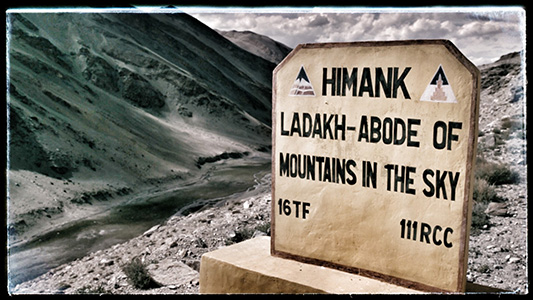
Ladakh in northern India is a region facing a profoundly rooted transformation and cultural regeneration process, constantly pitting its identity as a land of arcane and mystical traditions against uncontrolled development that is destructive for the environment and alienates its inhabitants. However, brave and visionary minds are working to overcome this conflict by proposing a virtuous mediation: preserving their traditional identity without withdrawing into a shell, giving value to the incentives of modernity that do not imply a cultural mutation. Today, can Westerners learn from this social, economic, and cultural lab in Ladakh?
Length: 101 mins.
Country: Italy
Language: English, Tibetan
Director: Nicolò Bongiorno (website)
Producer(s): Nicolò Bongiorno
Distributor: FILIGRANOWA
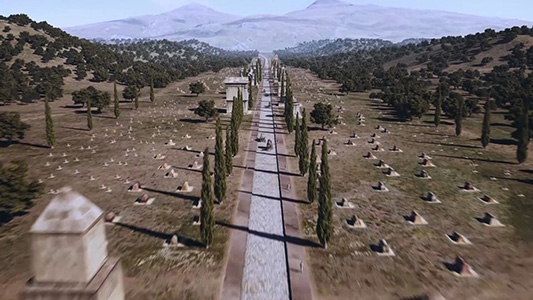
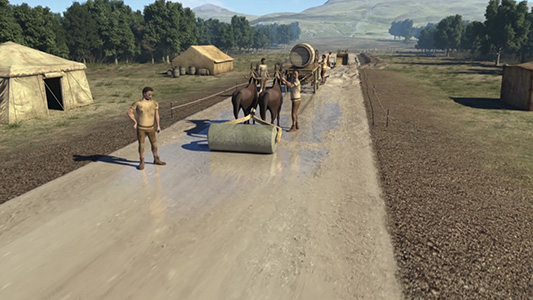
Engineered roads did not exist before the rise of the first civilizations and great states. The Roman Empire’s rapid expansion and growth made roads more necessary for Rome than for any condition that had come before it. The stereotypical, rough and inefficient road that comes first to mind does not reflect the reality of these roads. The engineering techniques used by the Romans required a great deal of preparatory work, including choosing routes, adapting terrain, spreading gravel, draining and channeling water, building bridges, and drilling through mountains. Because of the efficiency of these roads, high-volume trade became possible. This interconnected network reached a magnitude unprecedented in the history of humanity.
Length: 55 mins.
Country: Spain
Language: English
Director: Jose Antonio Muñiz
Producer(s): Jose Antonio Muñiz
Distributor: Charo Penedo - Surreal TV
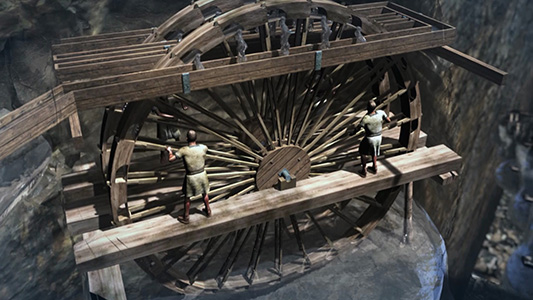
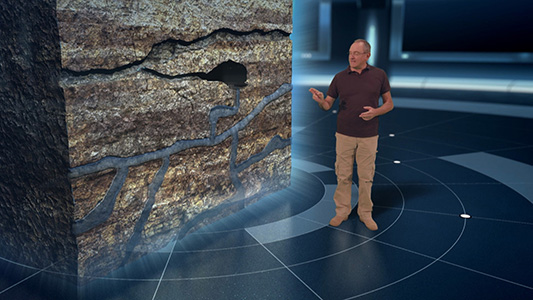
Ancient Rome had a vast appetite for all types of metal and mineral products, including iron, lead, stone, marble, cinnabar, silver, tin, copper, gold, and precious stones. This excessive demand required that Roman mining operations reach a scale unimaginable before that time. Until recently, not much was known about ancient mining practices. Fortunately, due to exceptional and vital advances in archaeology, new information offers us an insight into Roman mining that we never imagined. Viewers will be amazed at the enormous variety of minerals and their uses in Roman society.
Length: 59 mins.
Country: Spain
Language: English
Director: Jose Antonio Muñiz
Producer(s): Jose Antonio Muñiz
Distributor: Charo Penedo - Surreal TV

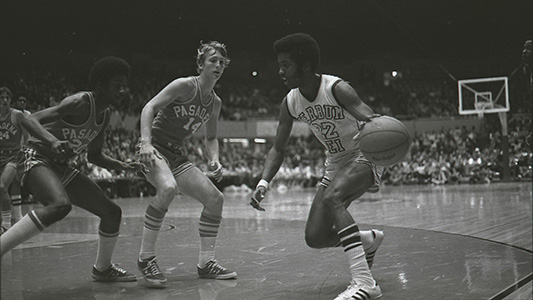
This is the true story of the mythical basketball legend from Watts, California, who many say was blackballed from the NBA as a rookie in the early 1970s following an ugly contract dispute with the Philadelphia 76ers. The film features exclusively uncovered archival footage dating back over 50 years, along with a deep array of over 45 raw and candid interviews that tell the incredibly heartbreaking tale of a once-in-a-generation talent who was shunned by a game he was destined to dominate. The film takes the viewer on an emotional ride through one of the sport’s most incredible personal journeys of all time. Steeped in the unique history and imagery of south-central Los Angeles and the tumultuous civil rights movement of the late 60s and early 70s, this story offers an individual reflection on the racial justice movement happening today in sports and American society.
Length: 83 mins.
Country: USA
Language: English
Director: Ryan Matthew Polomski (website)
Producer(s): Ryan Matthew Polomski
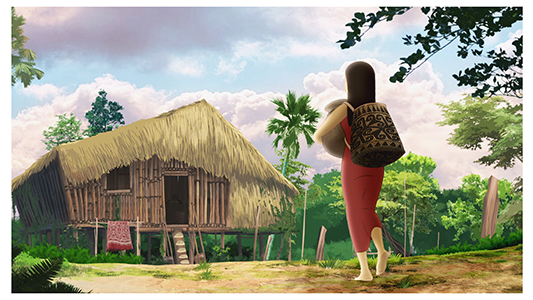
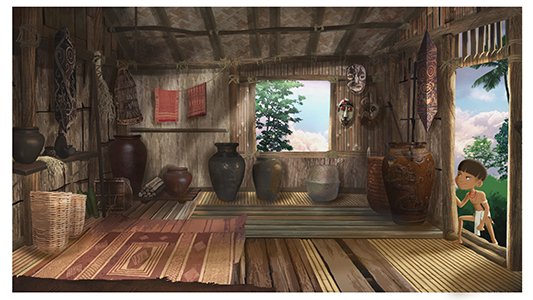
When human beings value the life of nature, respecting and learning from it, the relationship between humans and nature can be strengthened. “The Pillar of Strength” is a beautifully animated story that touches on topics regarding family, natural relations, and human identity while displaying the patterns and culture of life in Borneo. In a tale that highlights a conflict in family relationships, an Iban hero named Kanang and his 10 -year -old son, Rentap, have a dispute. Kanang feels that his son is too playful and does not respect the local culture and customs. In contrast, Rentap thinks that his father is too strict. One day, they go out hunting and, unfortunately, get into trouble.
Length: 8 mins.
Country: Malaysia
Language: Malaysian with English subtitles
Director: Ayie Ibrahim
Producer(s): Ayie Ibrahim
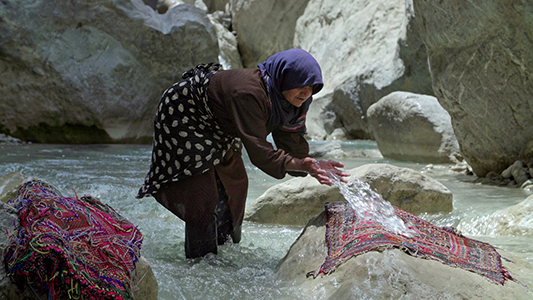
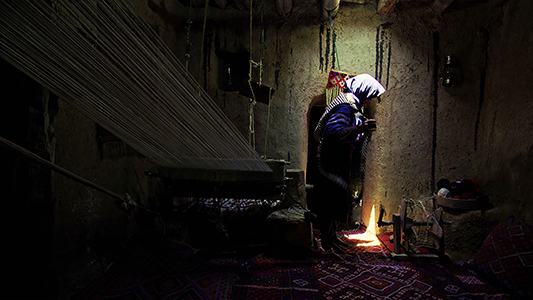
“Parizad” has a narrative and poetic look at one of the handicrafts of Chashm Village in northern Iran. The film is about Aunt Keshvar, a woman who weaves geleej while living alone in the village. Geleej is a type of kilim and a hand-woven carpet made only in Chashm. Aunt Keshvar believes that geleej is something extremely ancient. A mythical and charming fairy, Parizad, who lived alone in a cave near her village, taught it to the villagers. Aunt Keshvar relates legends about her homeland and shares information about the role of geleej in the daily life of the villagers.
Length: 24 mins.
Country: Iran
Language: Persian with English subtitles
Director: Mehdi Imani Imani Shahmiri
Producer(s): Mehdi Imani Imani Shahmiri
Distributor: Mehdi Imani Imani Shahmiri
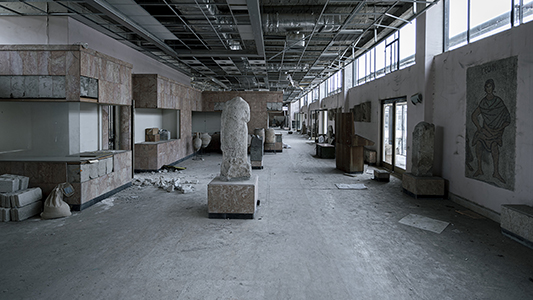
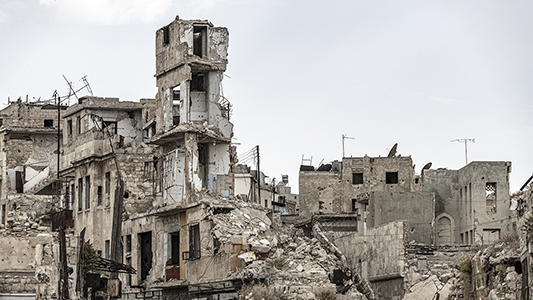
As the war rages around them, a small group of archaeologists, museum curators, and attendants struggles to preserve the monumental collections of antiquities at the Aleppo National Museum during the Syrian civil war. For years, these men and women bid farewell to their families every morning before heading to the Museum under a hail of shells, facing sniper fire, often sleeping on the grounds of the Museum for several days, to accomplish their mission. Without electricity, water, and means, they empty the showcases, pack antiquities with clothing and protect them in makeshift boxes, and build concrete walls to hide ancient statues from looters. In this race against time, nothing is guaranteed; nothing is certain. Then they escape from the city with their precious cargo. The only certainty lies in one fact: if the Museum's collections are lost, a whole part of human history will disappear with them.
Length: 73 mins.
Country: Andorra
Language: Arabic with English subtitles
Director: Olivier Bourgeois
Producer(s): Olivier Bourgeois (website)
Distributor: La Caixa de la Llum Produccions