

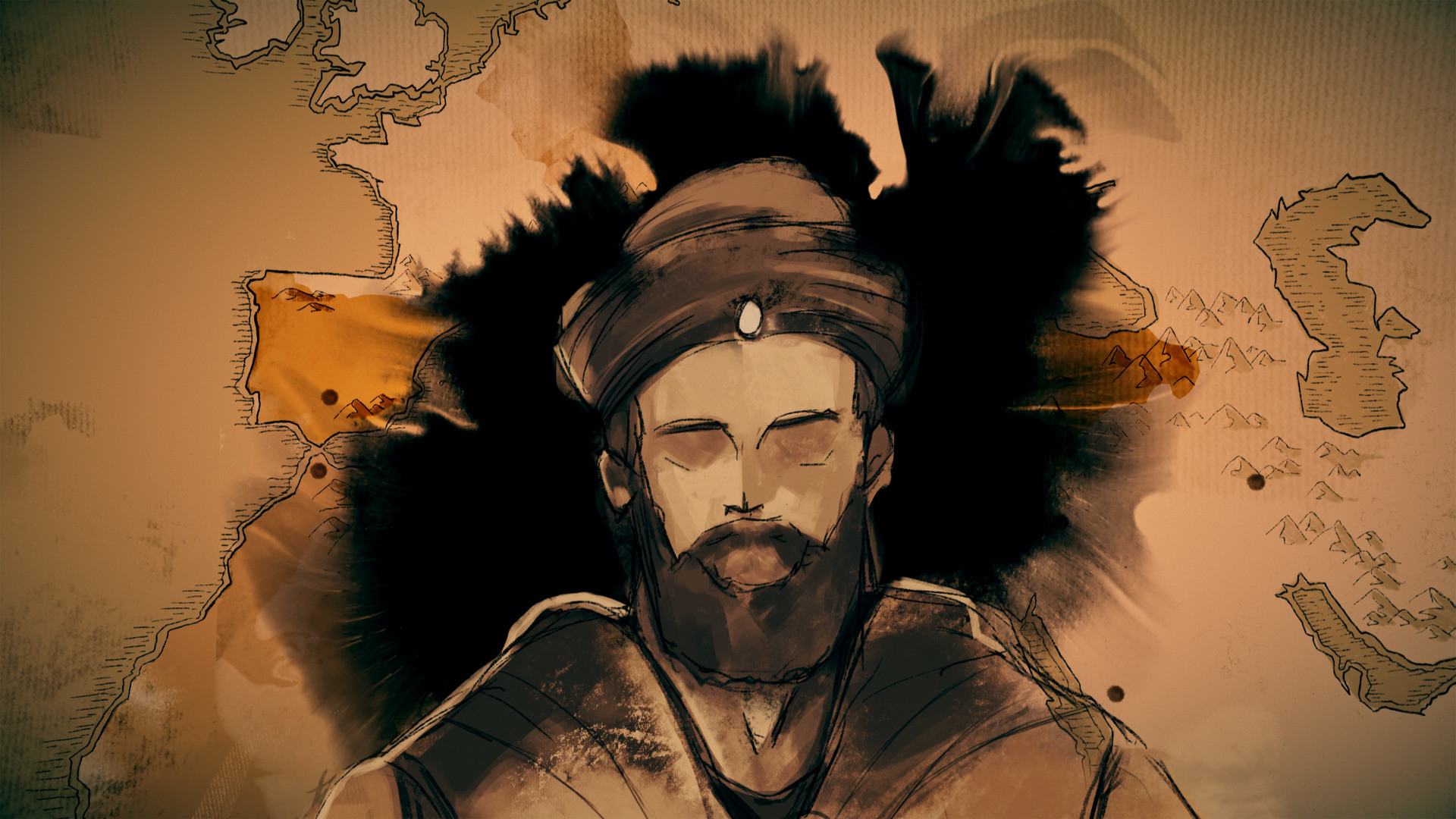
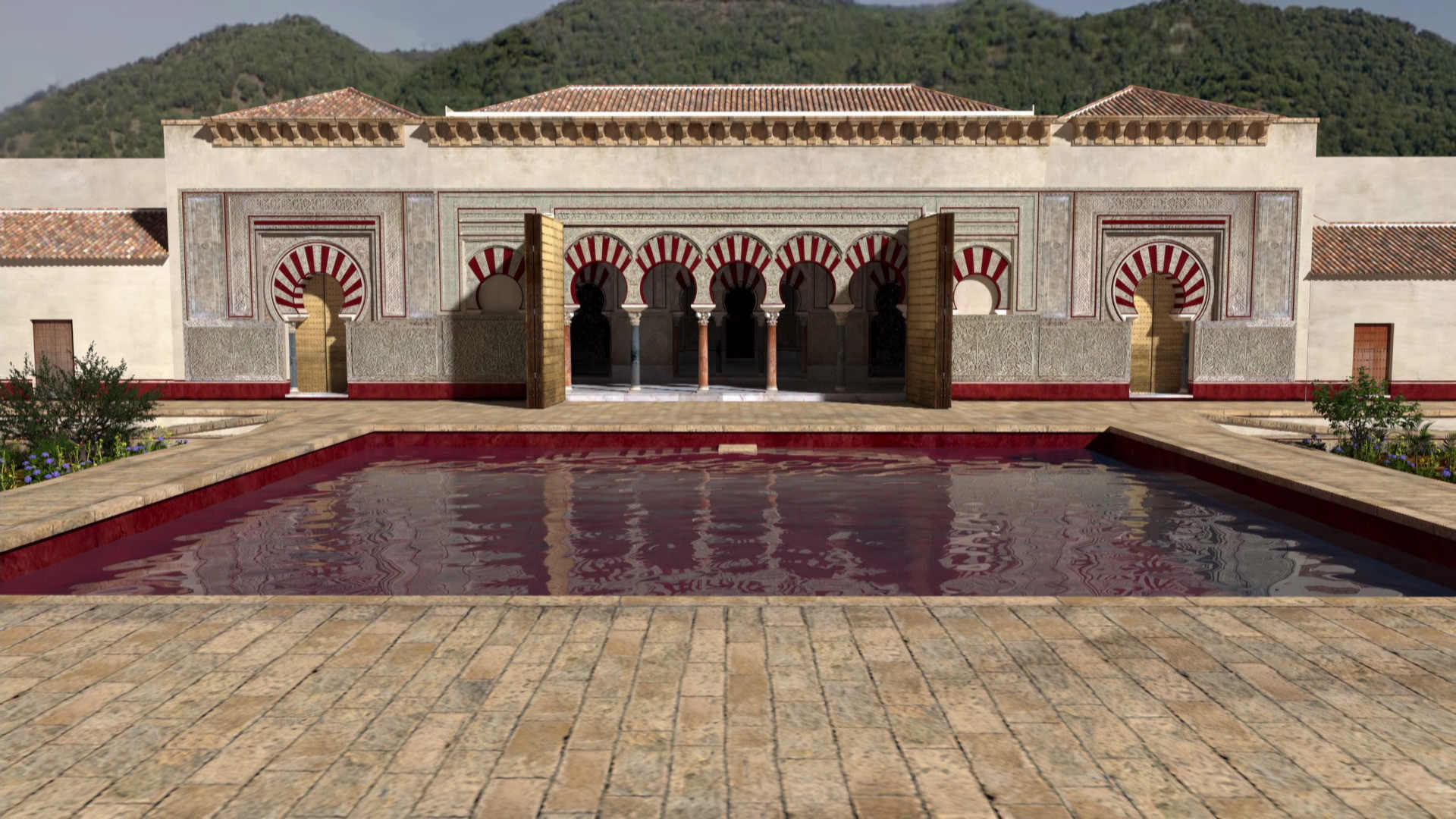
Medina Azahara, in Spain’s Sierra Morena mountains, was given its Arabic name, which means “The Shining City,” by the 10th century caliph who had it built. Nicknamed the “Versailles of al-Andalus,” it is considered one of the most important Islamic archaeological sites worldwide. Five years ago, a team of European archaeologists began a new excavation project at this World Heritage site. For over 100 years, excavations here have concentrated inside the Caliph’s palace. This new excavation project is focused outside the palace walls, in areas of the city never before studied. A massive new building came to light, its function unknown. Beyond the mystery of this building, the very location of this city is an enigma in itself. Why was a Muslim city of such importance built in a then primarily Christian area, far from most of Al Andalusia, then the name for Muslim Spain?
Length: 60 min
Country: France
Language: French w/ English subtitles
Director: Stéphane Bégoin Thomas Marlie
Producer(s): Amélie Juan
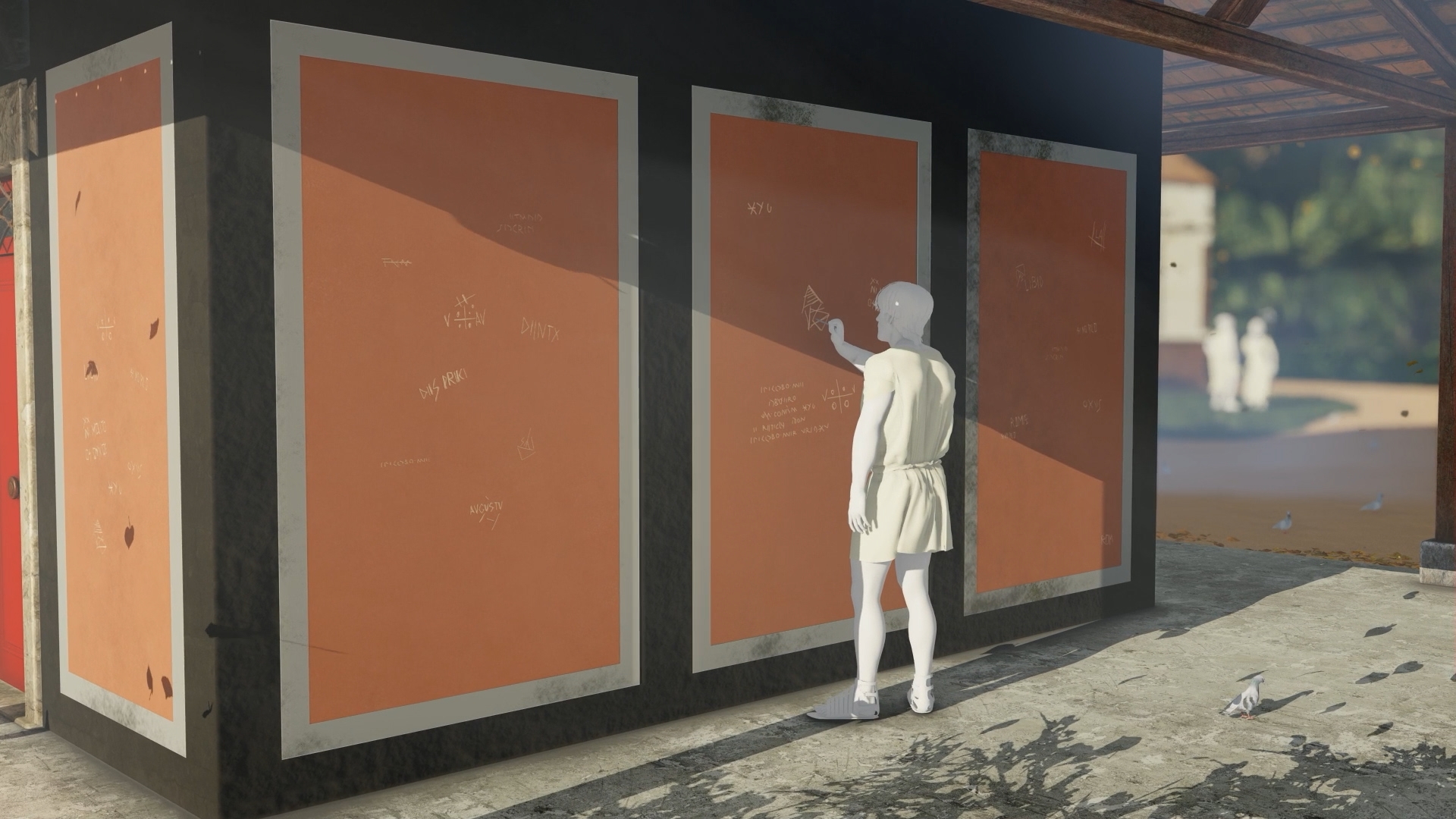
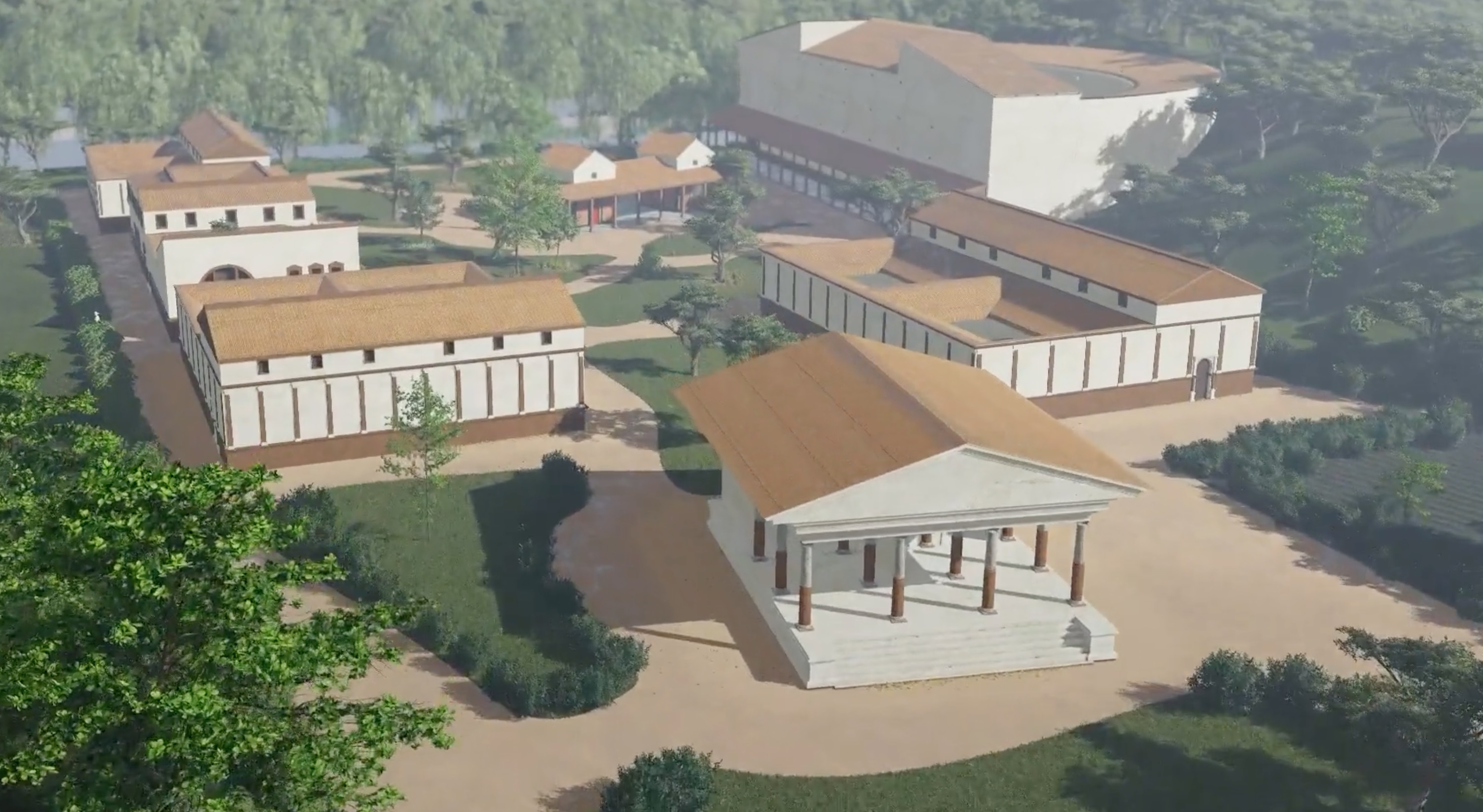
In the western Alps, the present-day city of Châteauneuf in Savoy includes remains of an ancient district, dedicated to a cult of spiritual practices, with baths, a theater and a temple. Built in the 1st century AD under the auspices of a Roman emperor, it contains sacred rooms, including cellae reserved for its priests, and a covered gallery, wherein the faithful could gather. In its center, an inscription on a plaque indicates that this sanctuary was in honor of the Gallic god Limetus, a parallel to the Roman god Mercury, protector of travelers and good health. Wishes, offerings and thanks were addressed to Limetus, including 70 surviving graffiti. Some of them mention Maia, a female consort of Mercury. Some are veritable historical accounts, of otherwise unknown events in which congregants appealed to Limetus.
Length: 3 min
Country: France
Language: French w/ English subtitles
Director: Larribère Christophe
Producer(s): Mathieu Lesueur
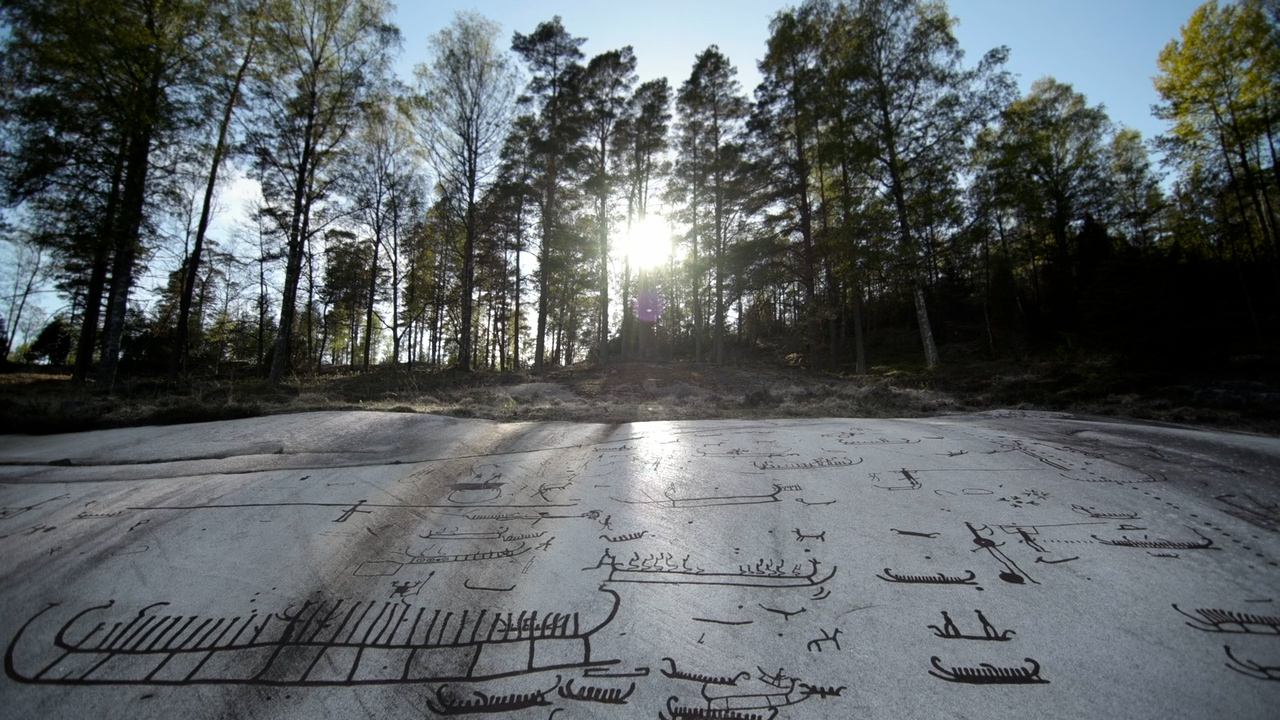
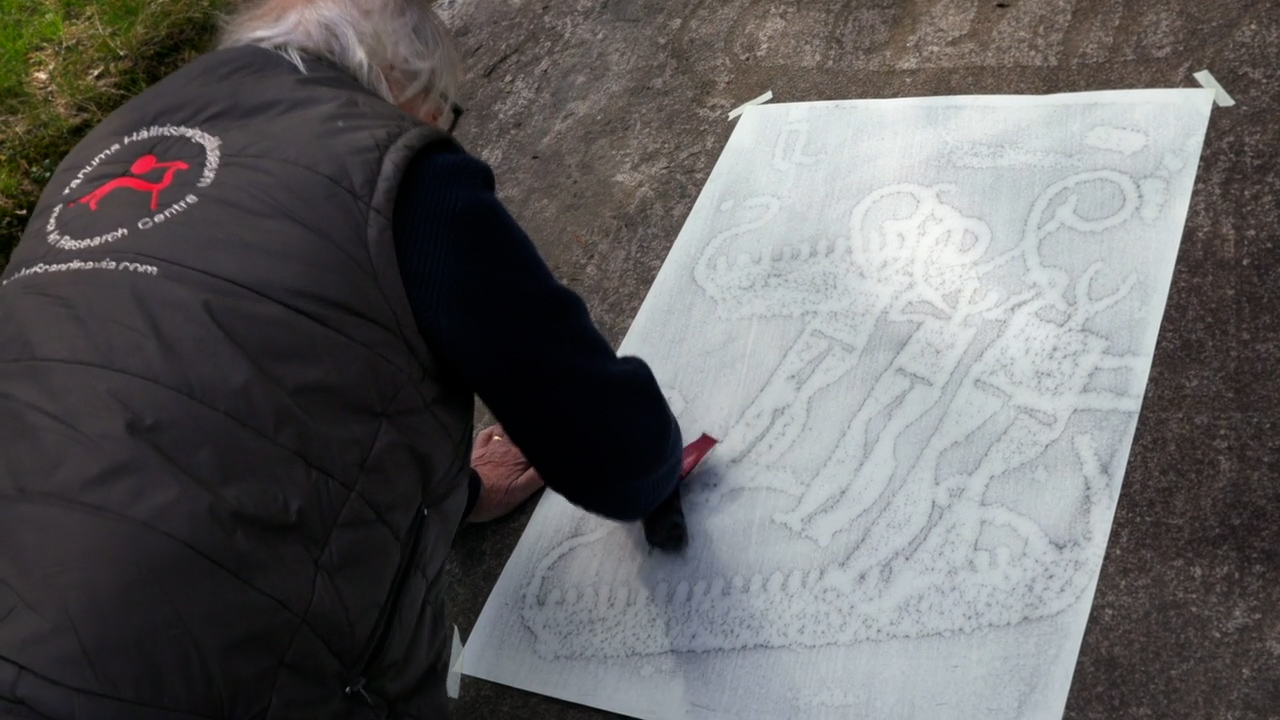
This film surveys the truly stunning rock art still visible in Sweden, carved by Neolithic artists beginning around 4,000 years ago. The vast number of these rock art sites is threatened with accelerating erasure by weathering. This film describes the ongoing efforts to preserve this artistic heritage by techniques ranging from rubbings on paper to digital reconstruction. Laser recording even captures the detailed and microscopic depth of field of these engravings, and, by repeated re-scanning over time, tracks their erosion from weathering. Why did these ancient Neolithic people make these elaborate, ornate rock carvings? A lot of information lies hidden in the rock art images, but we still lack the key to decrypt it.
Length: 10 min
Country: UK
Language: English
Director: Edward Owles
Producer(s): Edward Owles Richard Tacon
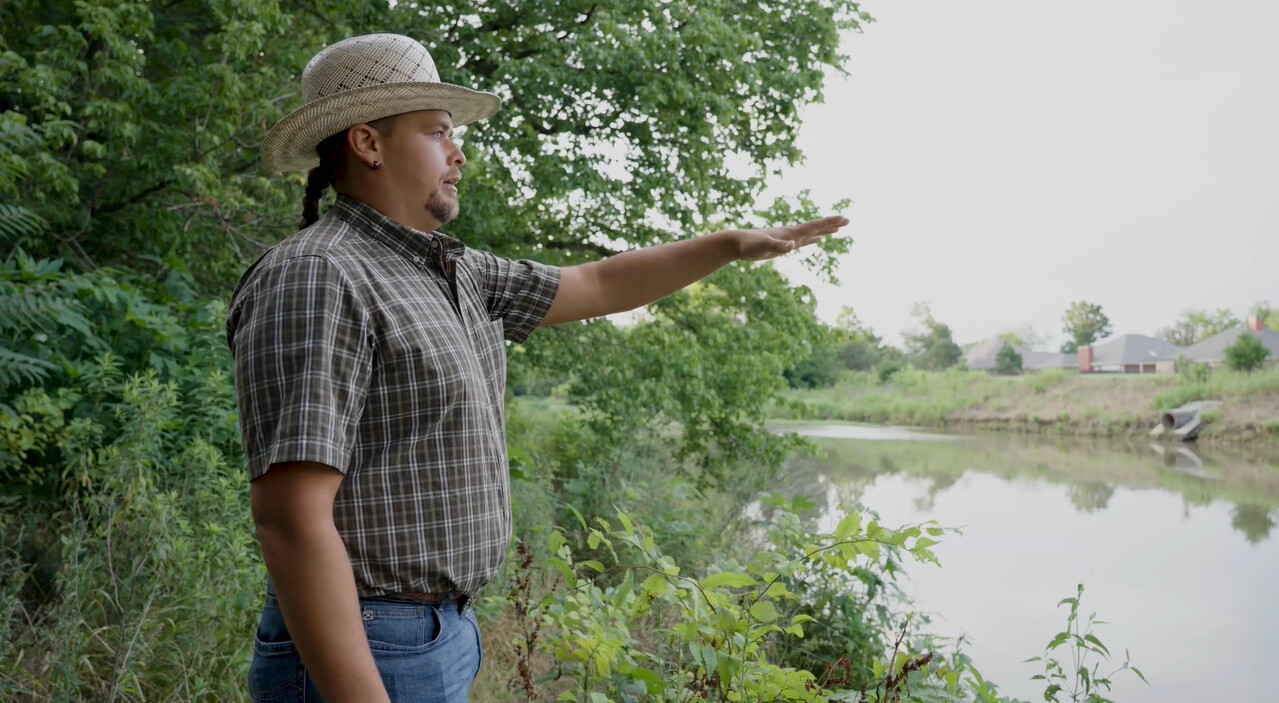
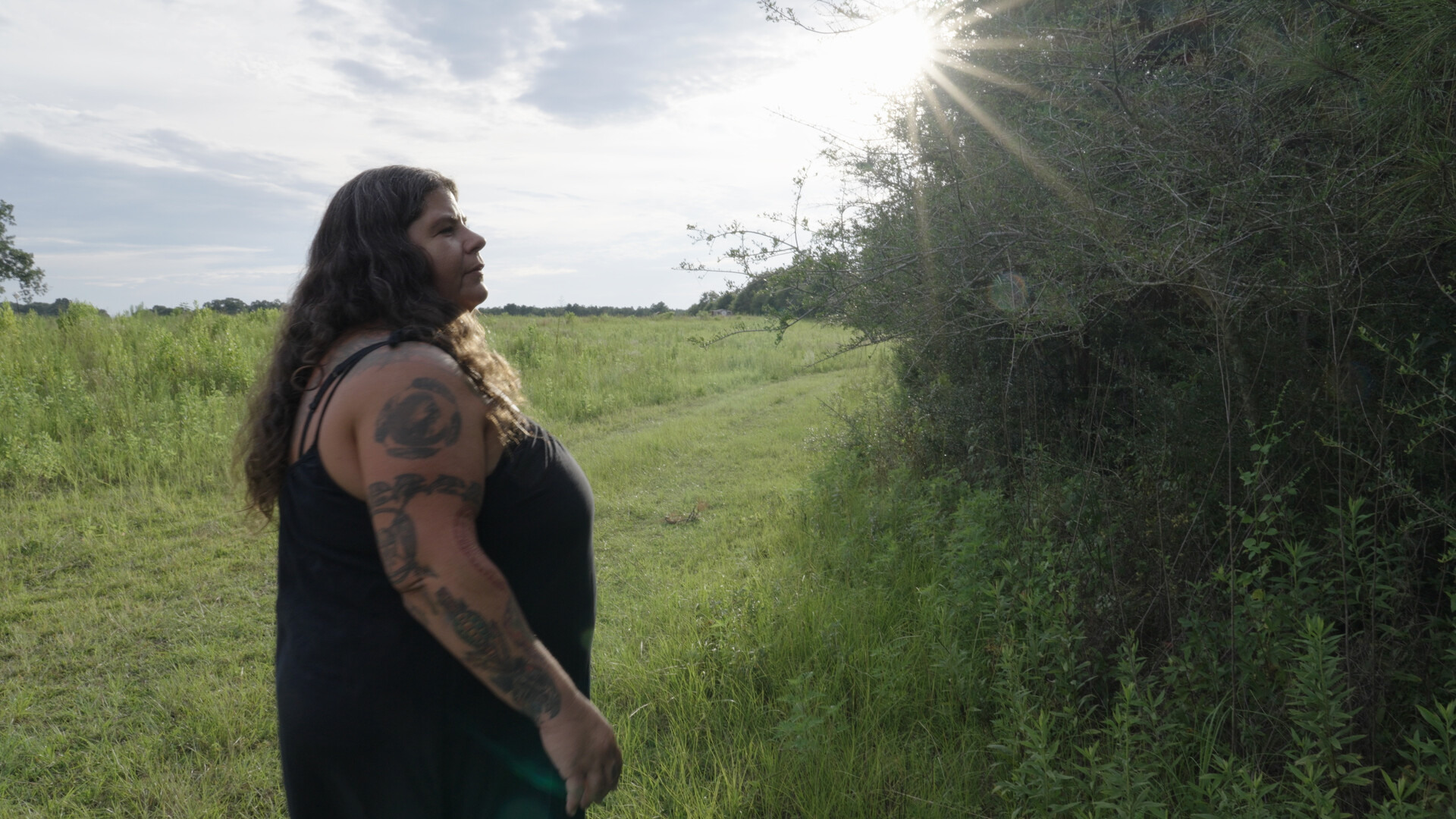
"We are our ancestor’s wildest dreams, and we are still here.” Some Indigenous people were never forced to leave what is now known as the State of Alabama. Many others, located all across the North American continent, are still, despite their geographical distances, intimately connected to their sacred ancestral homelands. In this film, you will meet three Indigenous people who are answering their ancestor’s prayers to reclaim traditional lifeways, to protect the environment and to teach us all how to better our relationships with the natural world and with Indigenous people.
Length: 17 min
Country: USA
Language:English
Director: Quinn C. Smith
Producer(s): Michele Forman

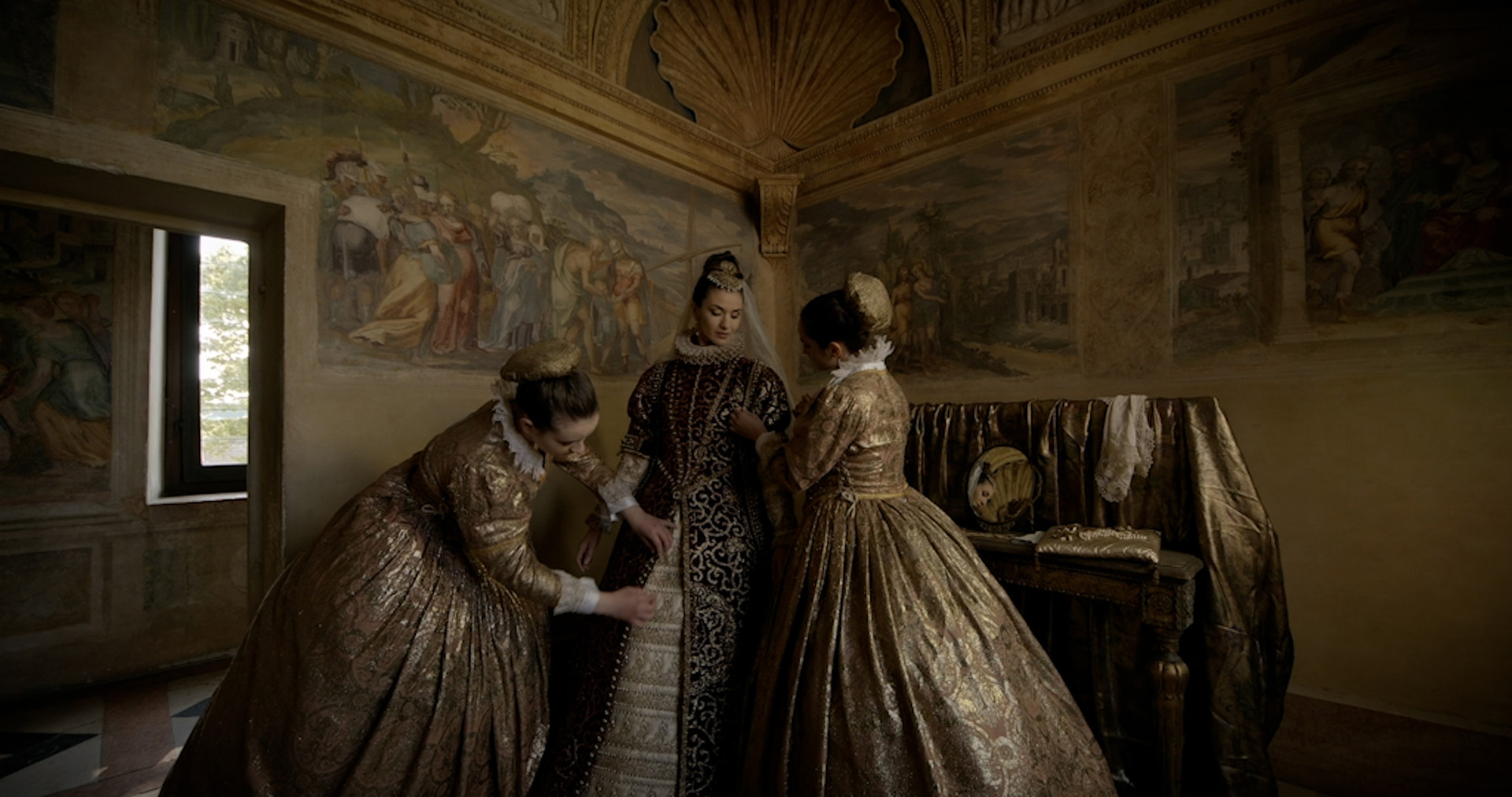
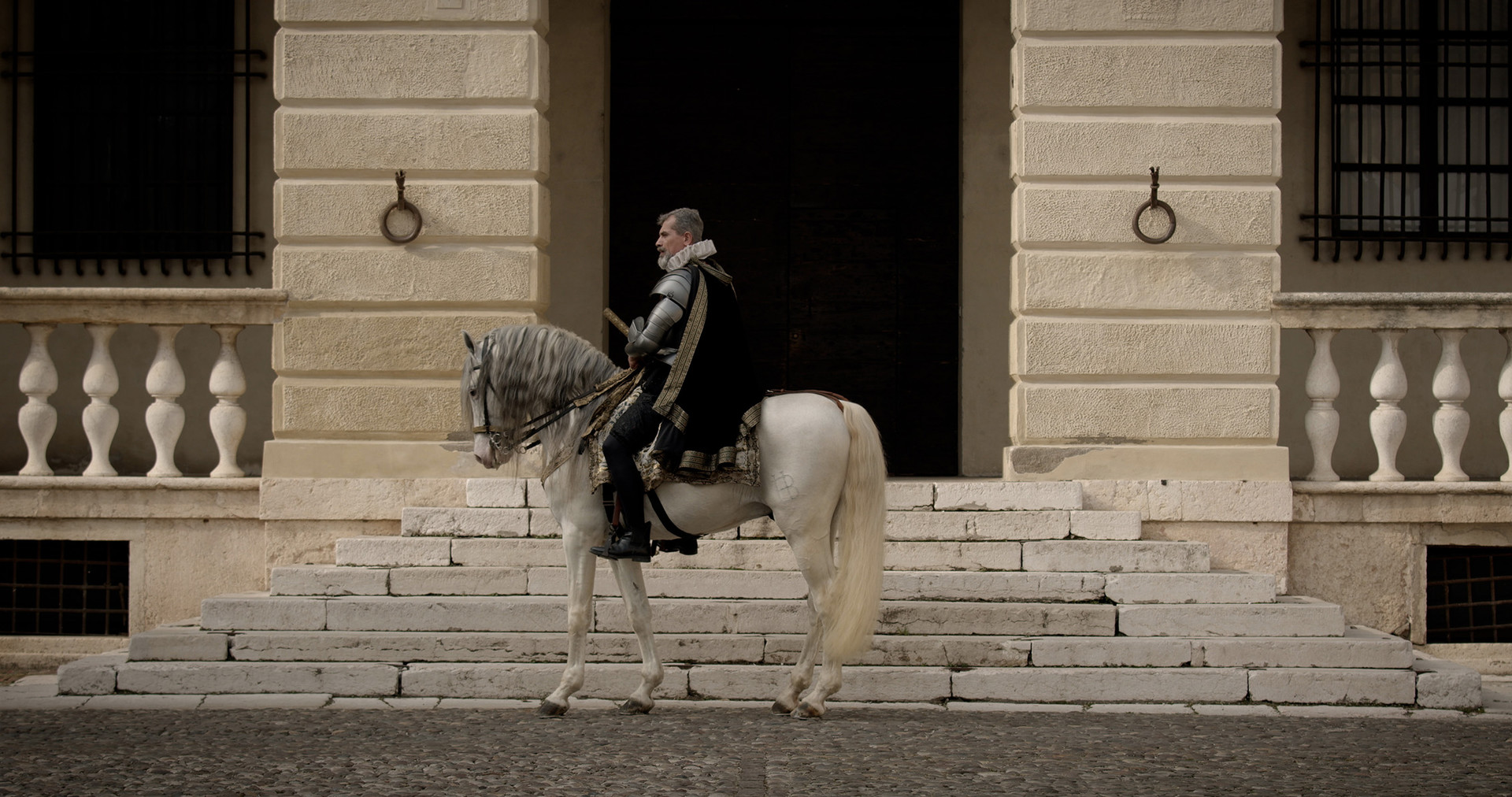
In this experimental film, a young woman sits at a coffee table. She has arrived from far away to visit the city of Sabbioneta, the ideal city of Vespasiano Gonzaga’s Italian Renaissance. She feels that someone she cannot see is watching her. Uncomfortable with that feeling, she decides to move away from the cafe. Then she walks across the public square and enters the historic Ducal Palace. As she walks, she tightly grasps a book by Borges in her hand and, in a strange sense of deja-vu, the man who is chasing her fails to catch up with her.
Length: 15 min
Country: Italy
Language: Italian w/ English subtitles
Director: Gian Maria Pontiroli
Producer(s): Fachiro Amedeo Palazzi
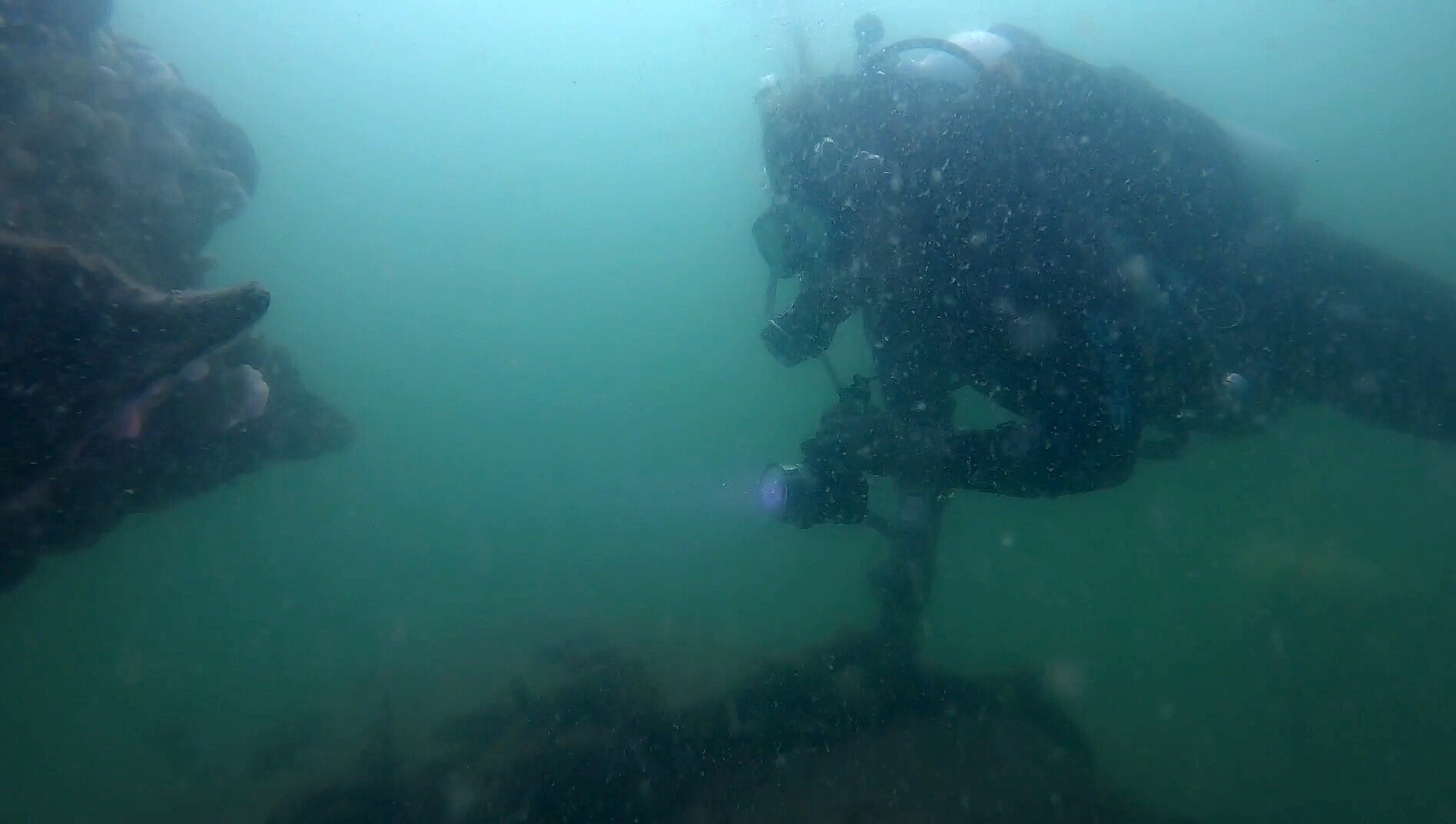
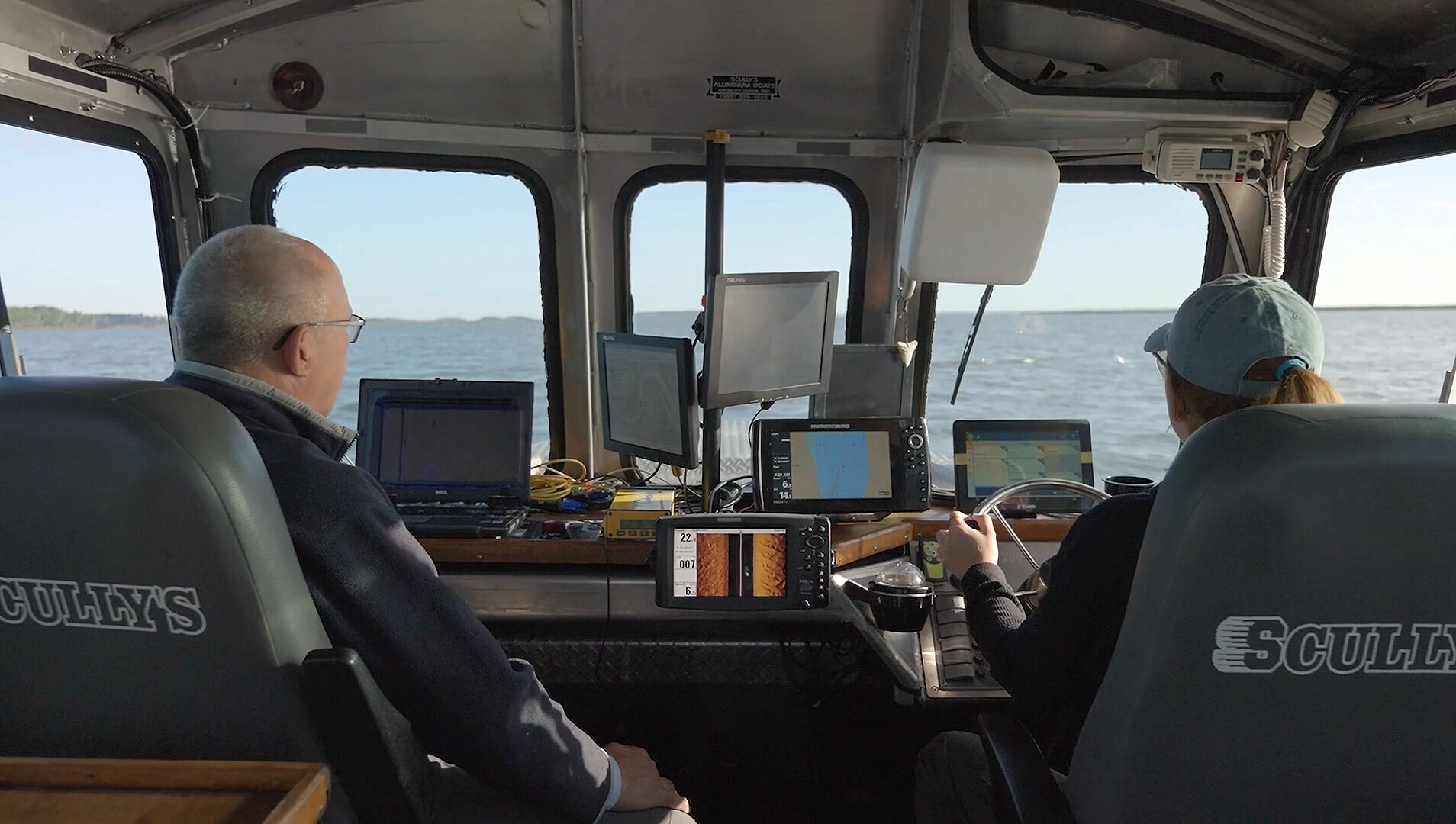
This film documents historical research and archaeological explorations for shipwrecks at the entrance of Port Royal Sound, South Carolina, USA. By presenting field activities and interviews, the film records the process of searching for shipwrecks, accomplished by means of historical research, remote-sensing operations and diving. These innovative research efforts benefitted from support of the Office of Exploration of the National Oceanic and Atmospheric Administration, via a research award to the Maritime Research Division of the South Carolina Institute of Archaeology and Anthropology, University of South Carolina.
Length: 19 min
Country: USA
Language: English
Director: James Spirek
Producer(s): James Spirek

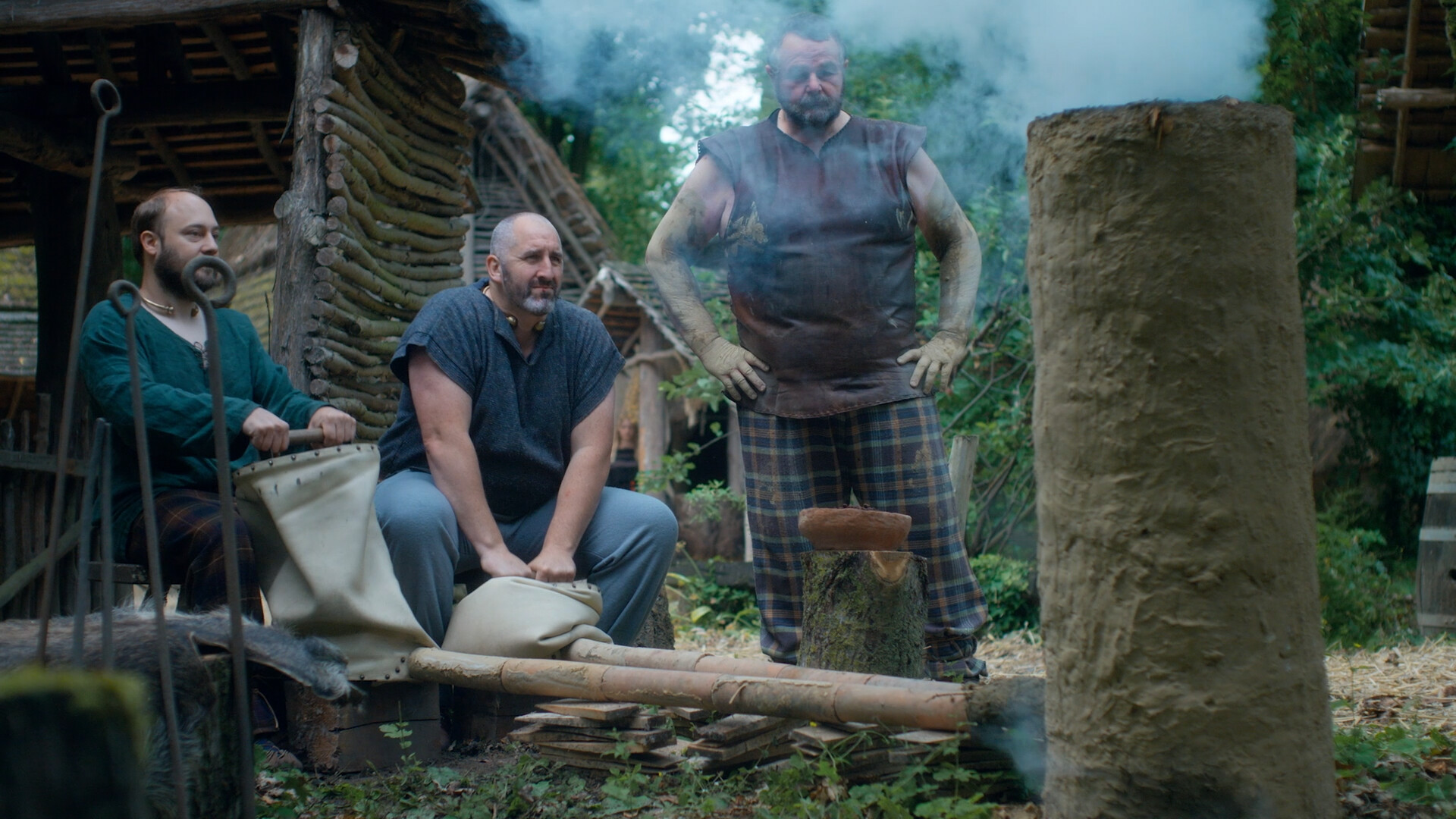
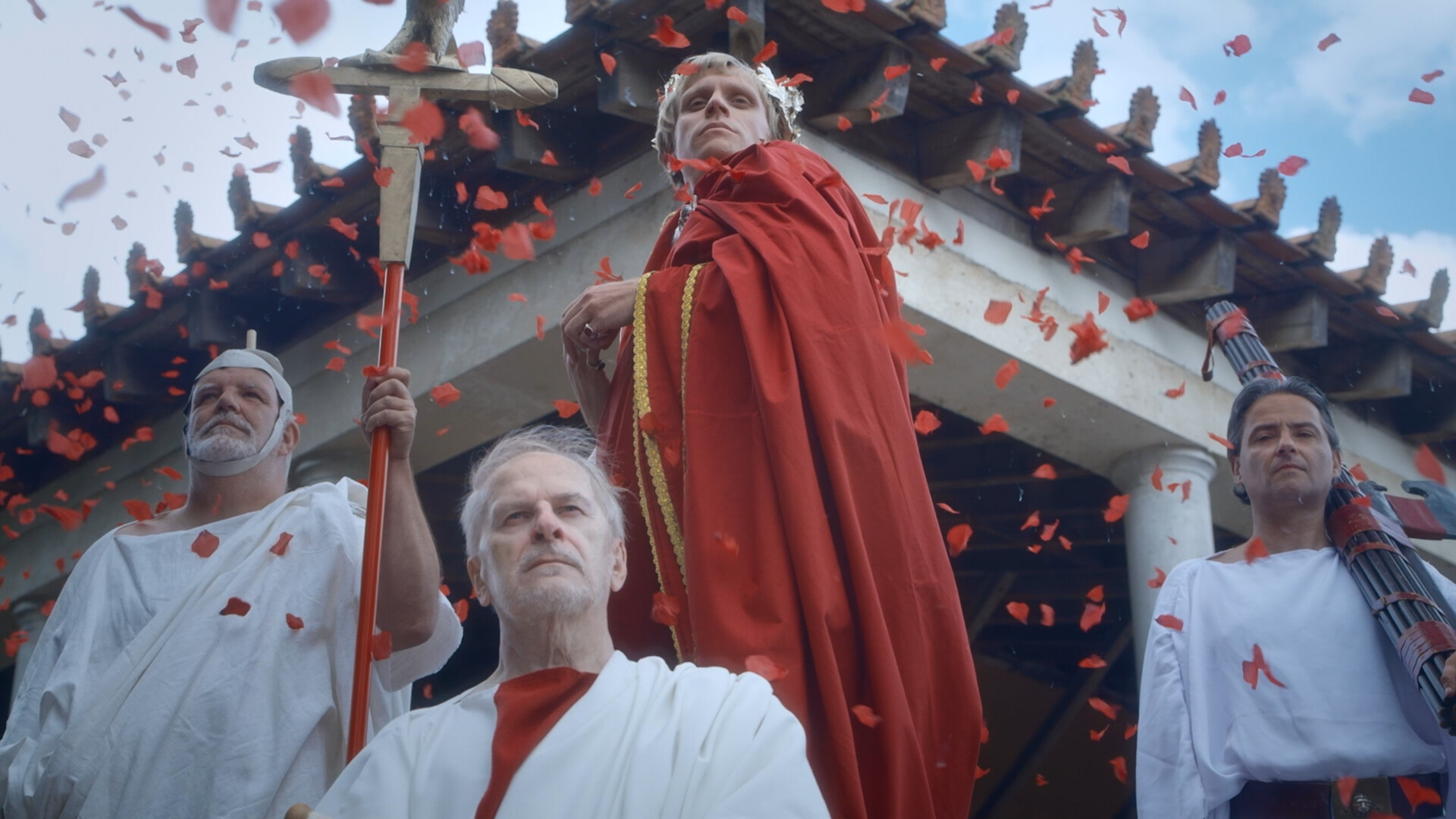
This film recounts the vast story of our social and cultural evolution, from the Paleolithic period in the continent of Africa, and beyond, to the end of the western Roman Empire. This panoramic film details the successive revolutions in humanity’s material culture. This story begins with the innovations of Paleolithic modern humans, nomadic, prey-following hunter-gatherers, whose advances in tool-making and other arts set them apart from other hominids and enabled their expansion worldwide. That is followed by the Neolithic renaissance in tool innovation and plant and animal domestication and its spread from the Middle East into Europe. The story continues with the Bronze Age’s revolution in metallurgy and beyond, which turned small Neolithic villages into city-states and then led on to the multi-city-state empires of the ancient Mediterranean world.
Length: 27 min
Country: Belgium
Language: English
Director: Sebastien Duhem
Producer(s): Valentin Soulet
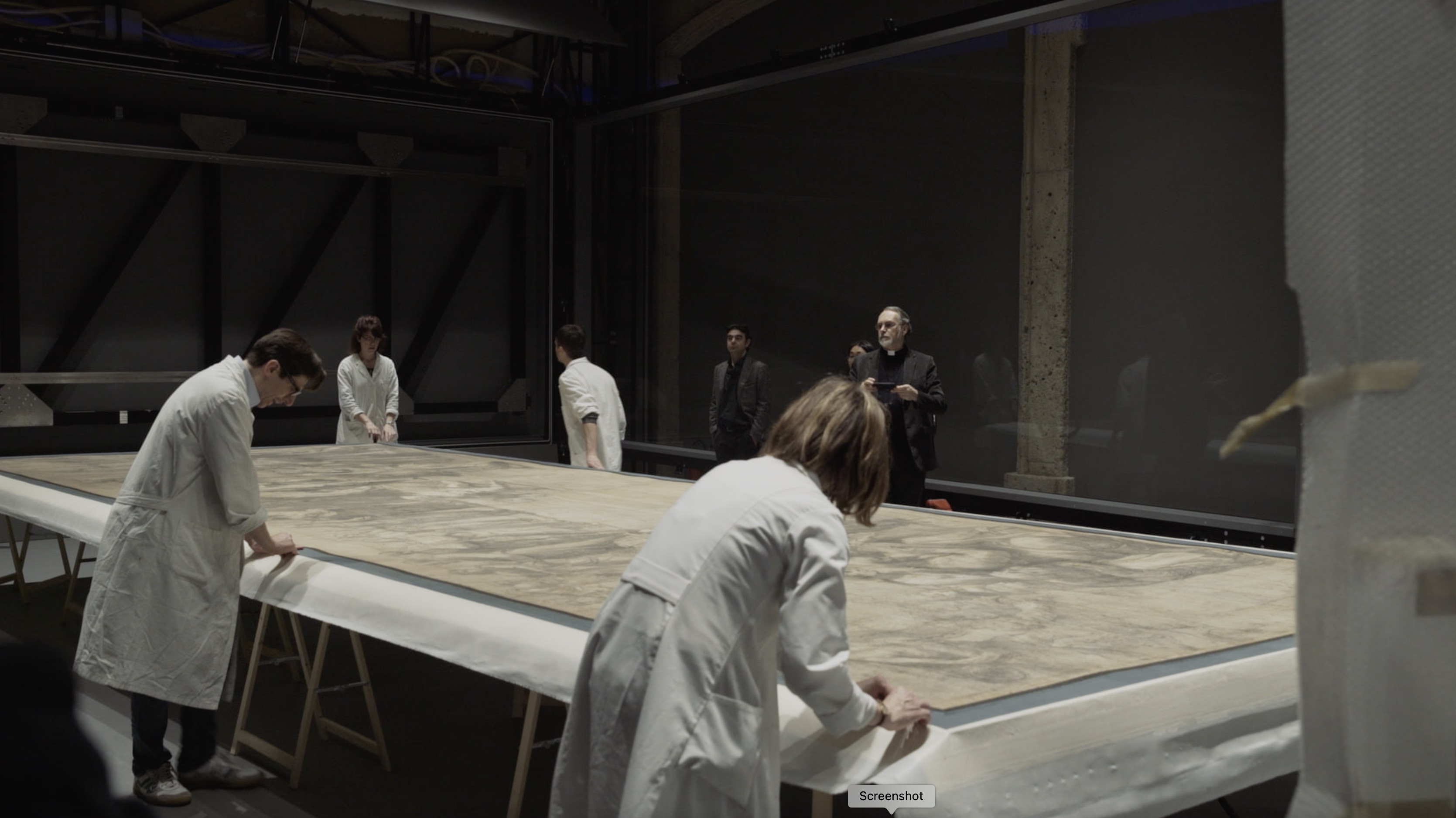
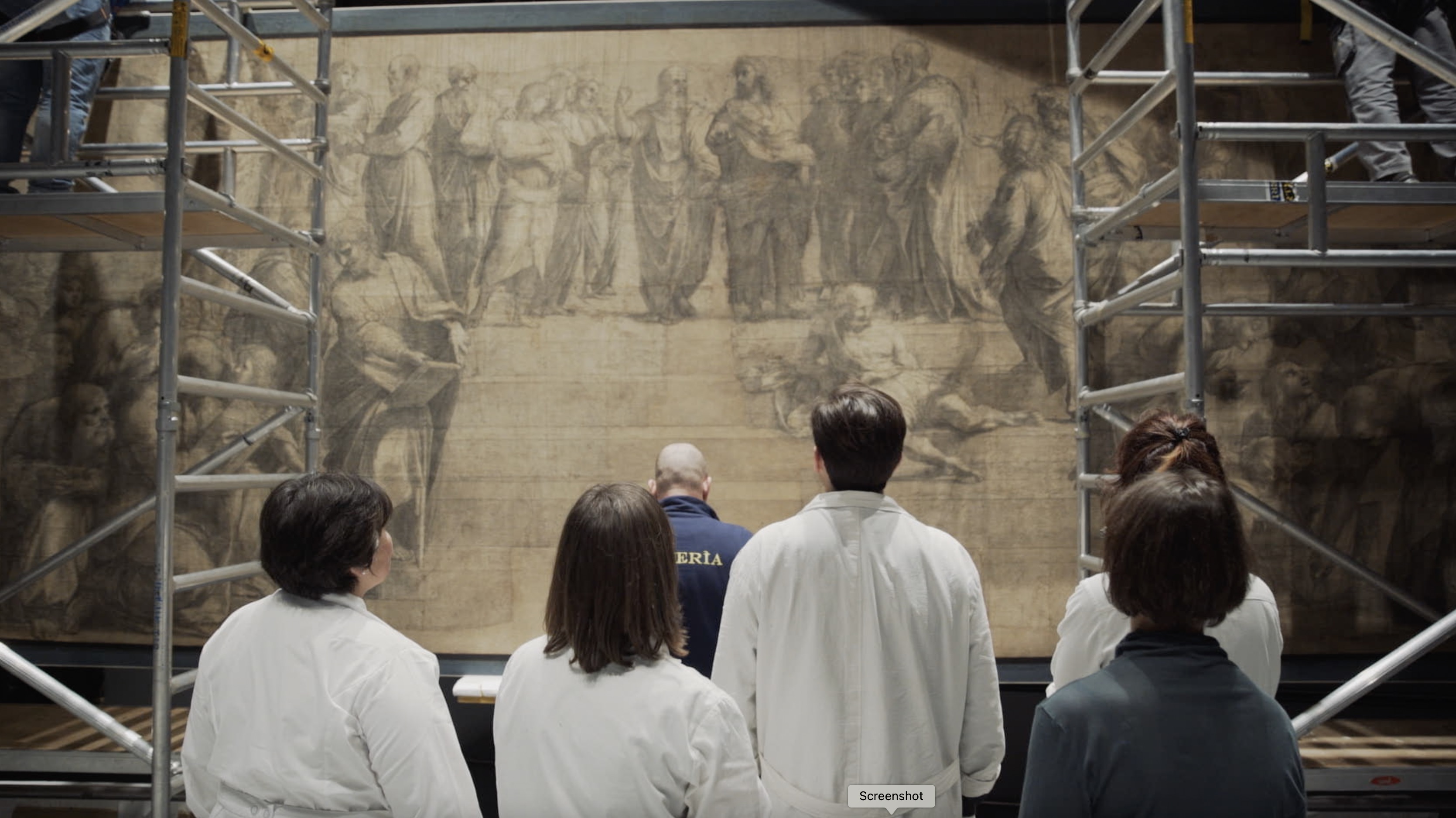
The Pinacoteca Ambrosiana is one of the world’s oldest and most renowned museums. It rises just steps from the historic city center of Milan and guards treasures of inestimable cultural heritage and artistic value. When you enter, you find works of Leonardo, Titian and other Renaissance masters. You also find the imposing ROOM 5, the focus of this film. ROOM 5 houses one of the great art masterpieces of all time: the “Carton of Raphael,” preparatory drawing for The School of Athens by Raffaello Sanzio, the famous fresco now at the Vatican. This film tells of the refurbishment of ROOM 5, planned by Stefano Boeri Architetti and implemented by personnel who exemplify the highest excellence in technique and quality of workmanship in this restorative field. The goal: to maximize the aesthetic experience of this gigantic preparatory work of art, created entirely by hand by Raphael.
Length: 15 min
Country: Italy
Language: Italian
Director: Stefano Santamato
Producer(s): Valentin Soulet

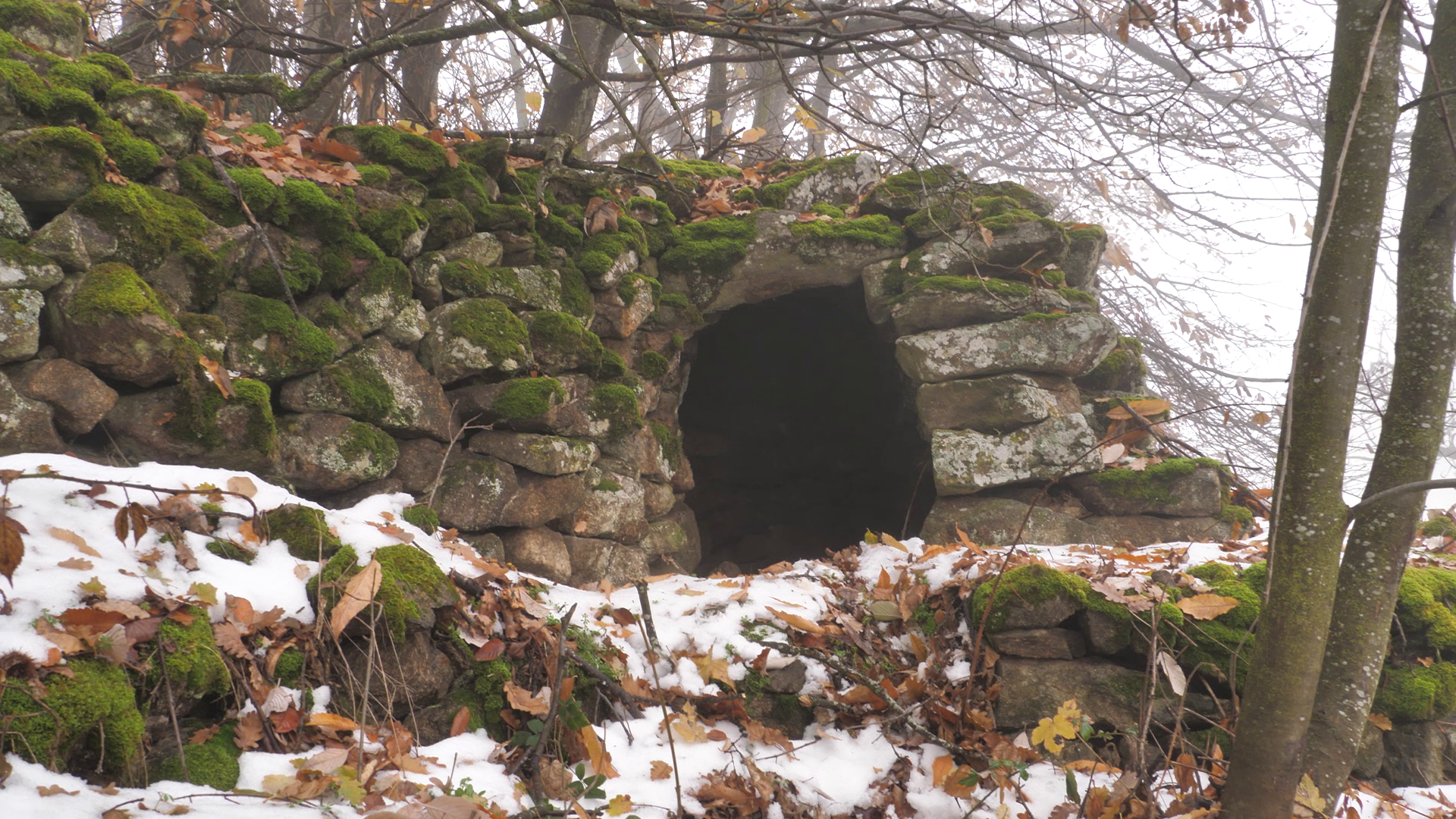
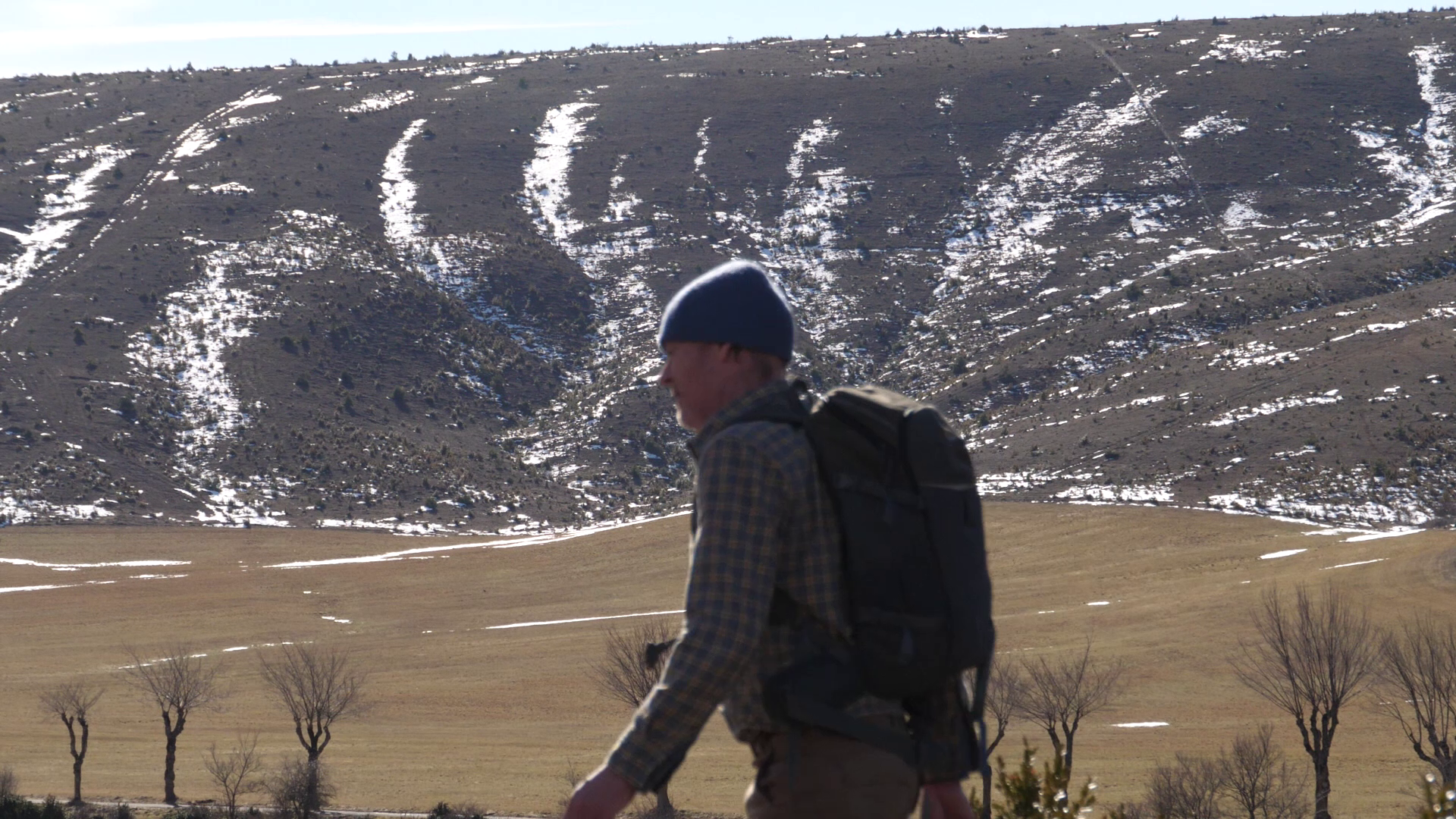
In the French Alps, around Mount Pilat, filmmaker Rob Hope explores little known Neolithic archaeological remains from up to 4,000 years ago. He holes up in a stone cabin that is open to all trekkers in those parts and follows the traces of long-past human life all around the area. He notes a mysterious large-scale system of drystone walls, mounds and cairns, whose builders and exact time of building remain unsolved. Tracing this ancient and forgotten drystone wall system across the high mountainous area, he finds a mountaintop Iron Age stone fort amid mixtures of the remains of later periods, including Roman and Medieval architectural ruins. As he journeys deeper into these remote and wild places still remaining there today, he also delves deeper into a distant human past.
Length: 21 min
Country: France
Language: English
Director: Rob Hope
Producer(s): Rob Hope

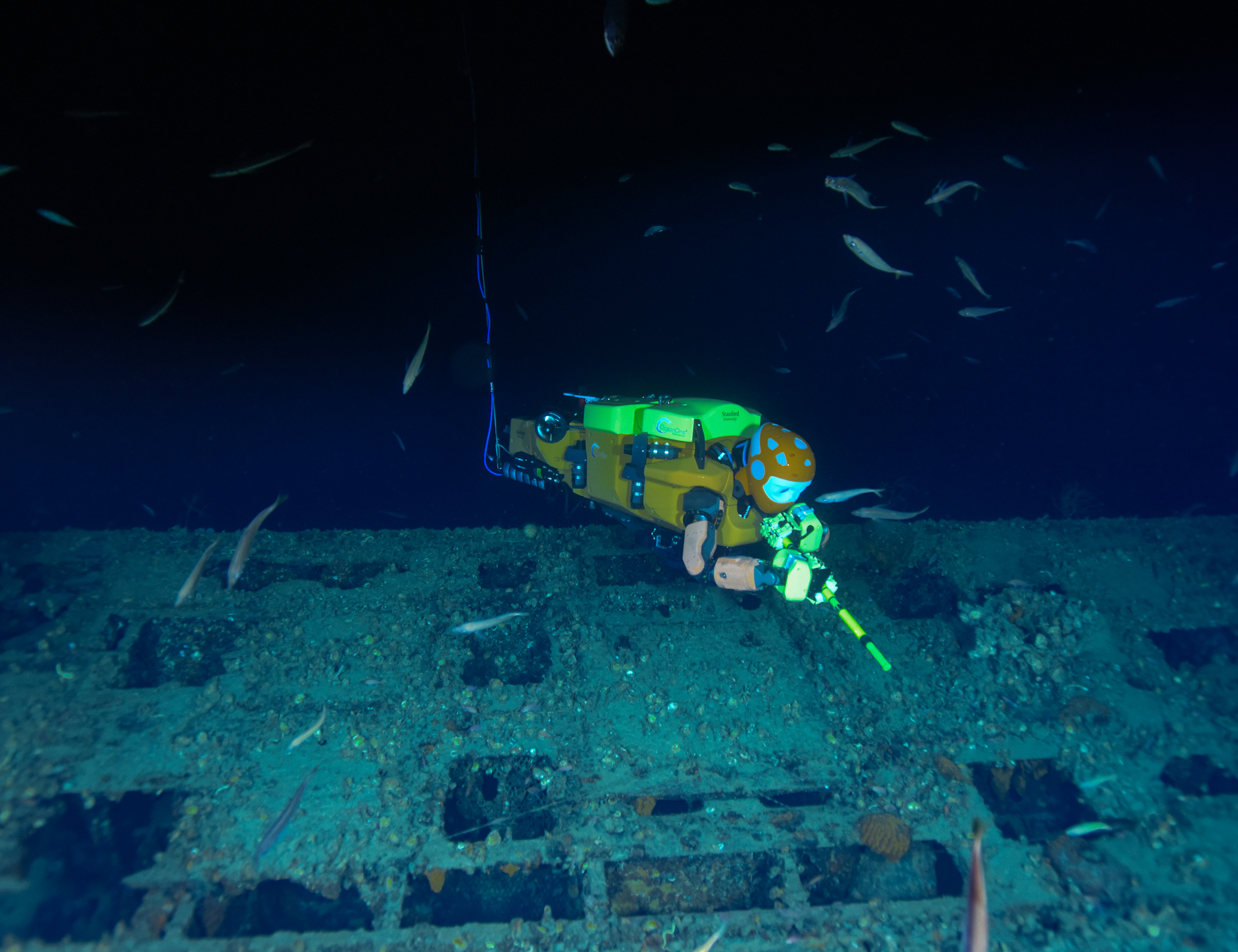
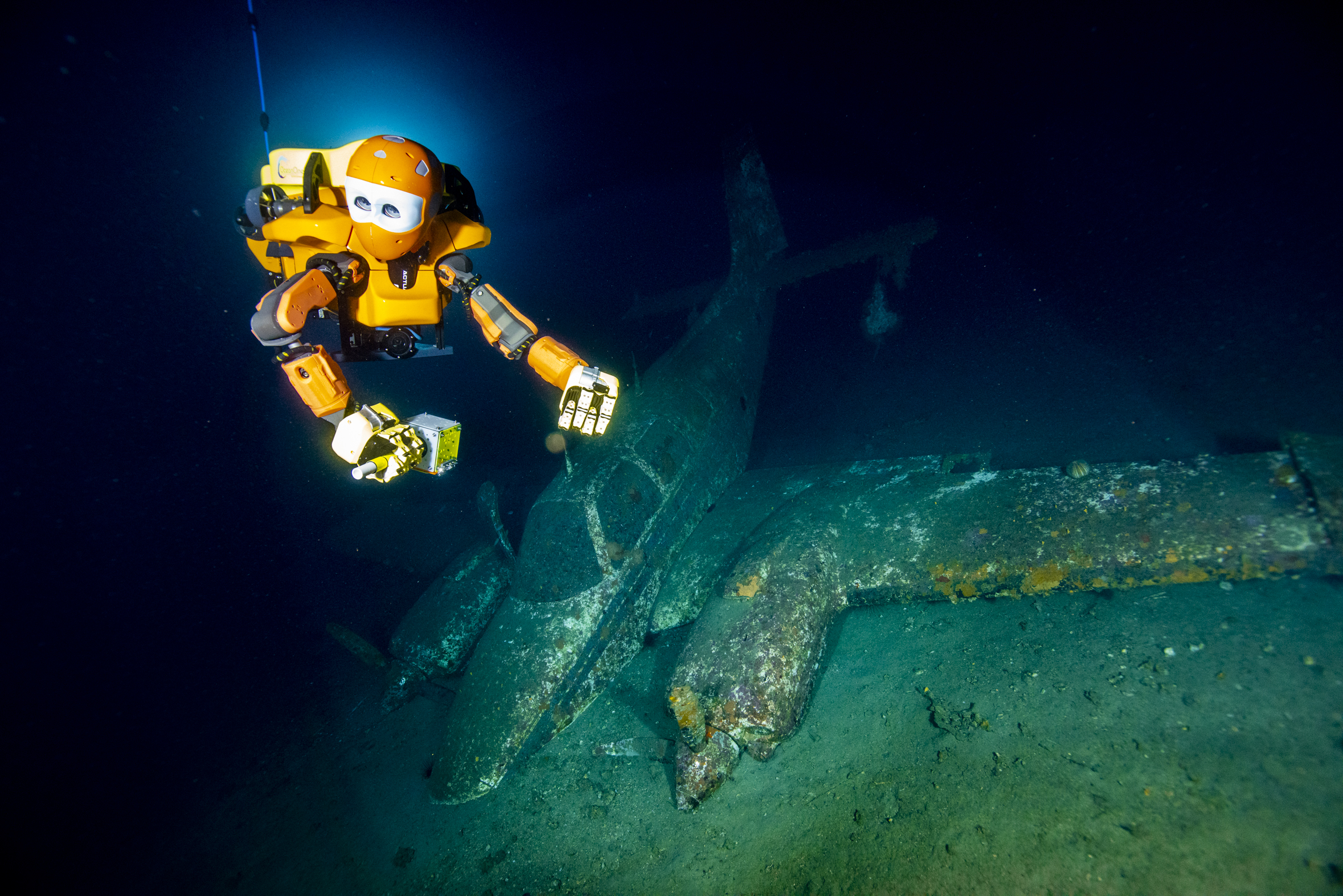
For archaeologists, the largest “museum” in the world is located underwater. But exploring shipwrecks is a huge challenge: in many cases, diving to the great depths needed to excavate is impossible. A new era in the archaeological conquest of the abyss has begun with Ocean One K. That is a humanoid archaeologist-robot, capable of exploring these otherwise inaccessible depths and of carrying out excavations according to the rules of the profession. A true adventure film, “OCEAN ONE K: Archaeologist of the Abyss,” is the story of an incredible scientific and human adventure.
Length: 51 min
Country: France
Language: English
Director: Mathieu Pradinaud
Producer(s): Gedeon Programmes
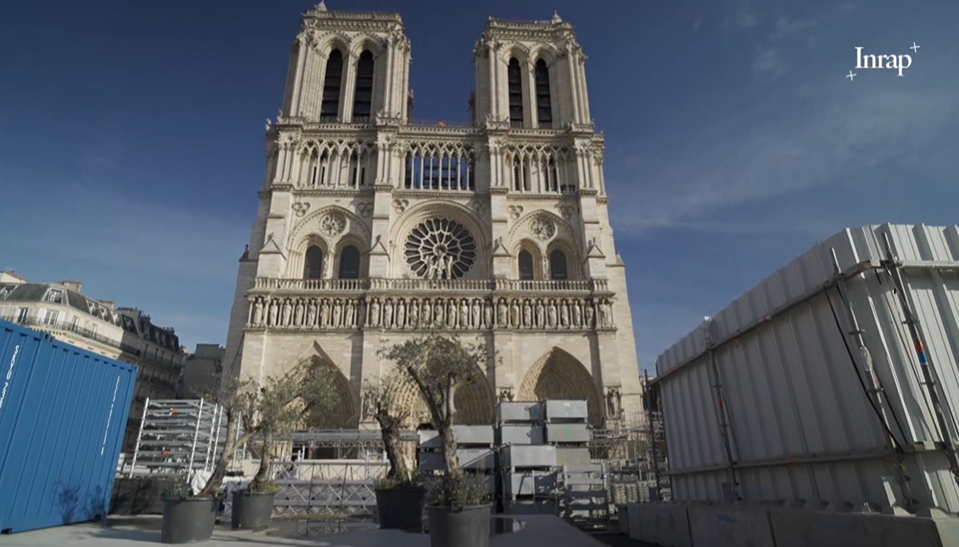
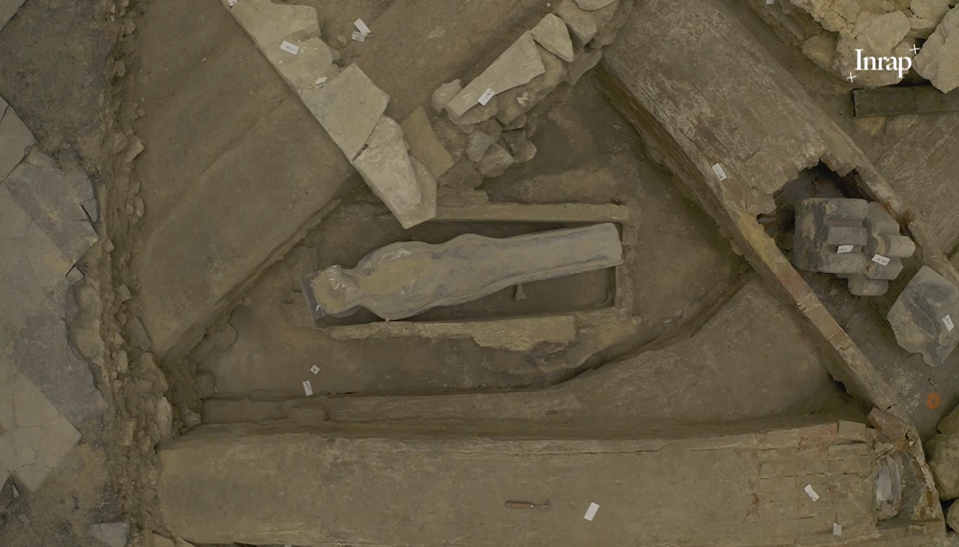
The day after the Notre-Dame fire of April 15, 2019, archaeologists were called to the cathedral. Three years later, an excavation, conducted by the French National Institute of Preventive Archaeological Research, yielded important data on the construction and evolution of the cathedral, as well as on burials and findings of numerous other elements. Among these is the medieval rood screen, separating the chancel from the nave and destroyed in the reign of Louis XIV, but found nonetheless in an exceptional state of preservation. With Dorothée Chaoui-Derieux, conservator-in-chief; Christophe Besnier, lead archaeologist for the Institute; Philippe Villeneuve, chief architect; and Philippe Jost, director of restoration Notre-Dame; we learn about key results of this historic restoration project.
Length: 15 min
Country: France
Language: French w/ English subtitles
Director: Thibaud Marchand
Producer(s): Inrap, Thibaud Marchand, Nadia Cleitman