
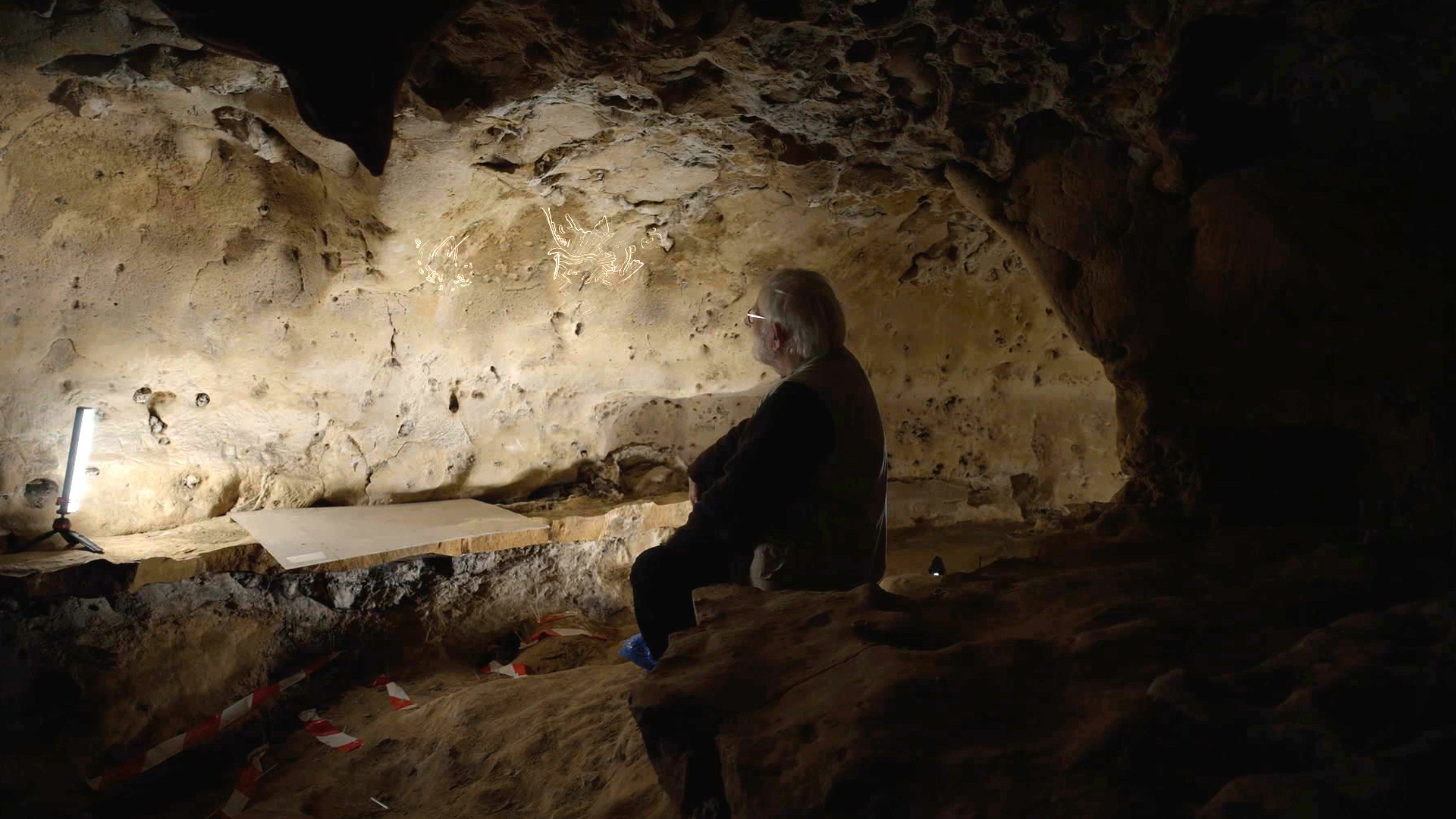
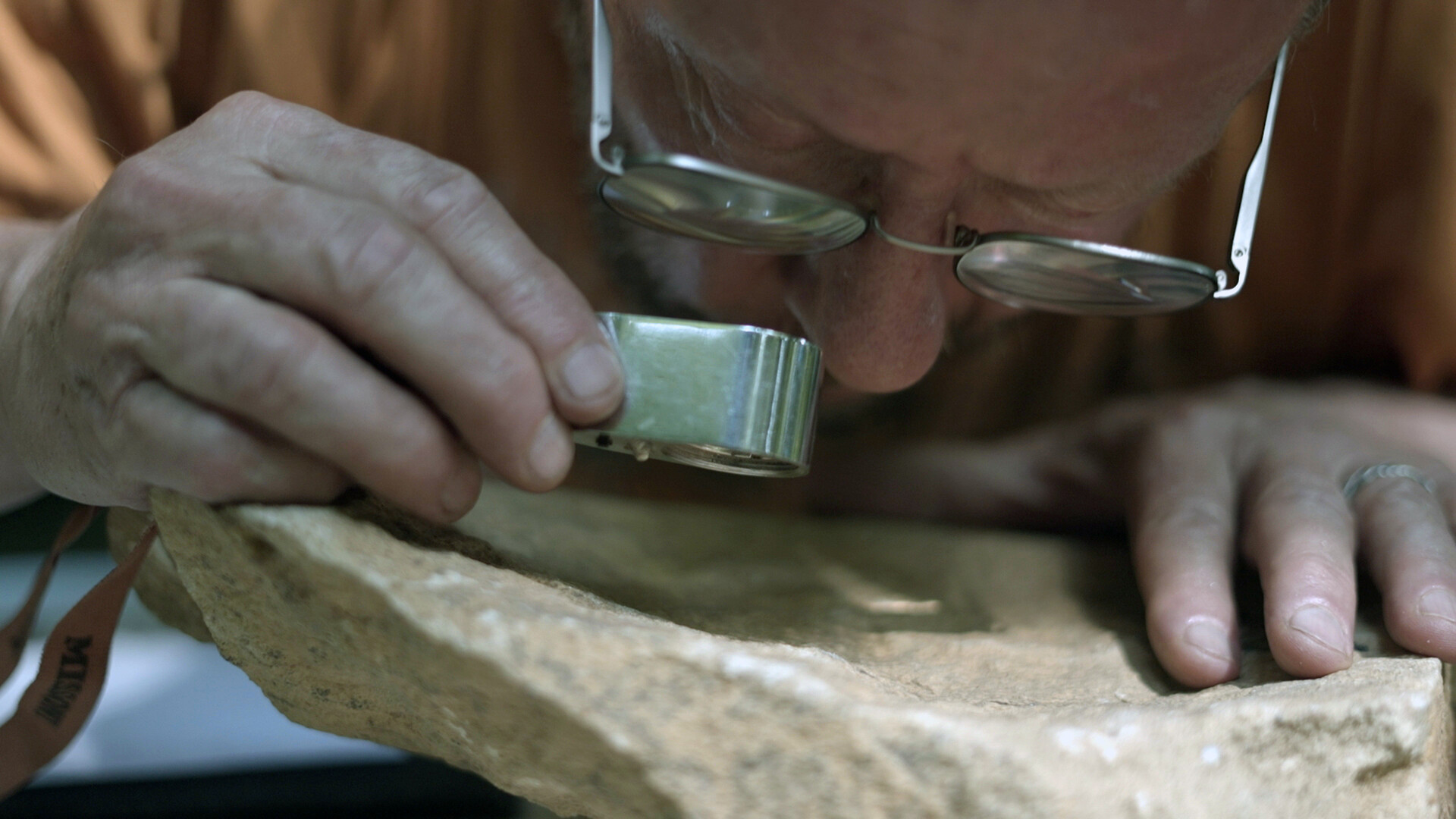
Ancient cave art was born, we used to believe, around 30,000 years ago, from the spirit and from the hands of our direct ancestor-humans: Homo sapiens sapiens. But in Touraine, France, a recent discovery could shake that belief. Deep in an obscure cave, La Roche Cotard, prehistorians have identified surprising engravings. To what age do these very singular drawings belong? Are they ancient works of our direct ancestors? Or could they have been crafted by a more ancient human variant: Homo sapiens neanderthalensis? These mysterious drawings may revamp what we thought we knew about the origins of art.
Length: 51 min
Country: France
Language: Danish & English
Director: Thibaud Marchand
Producer(s): Tournez S'il Vous Plait

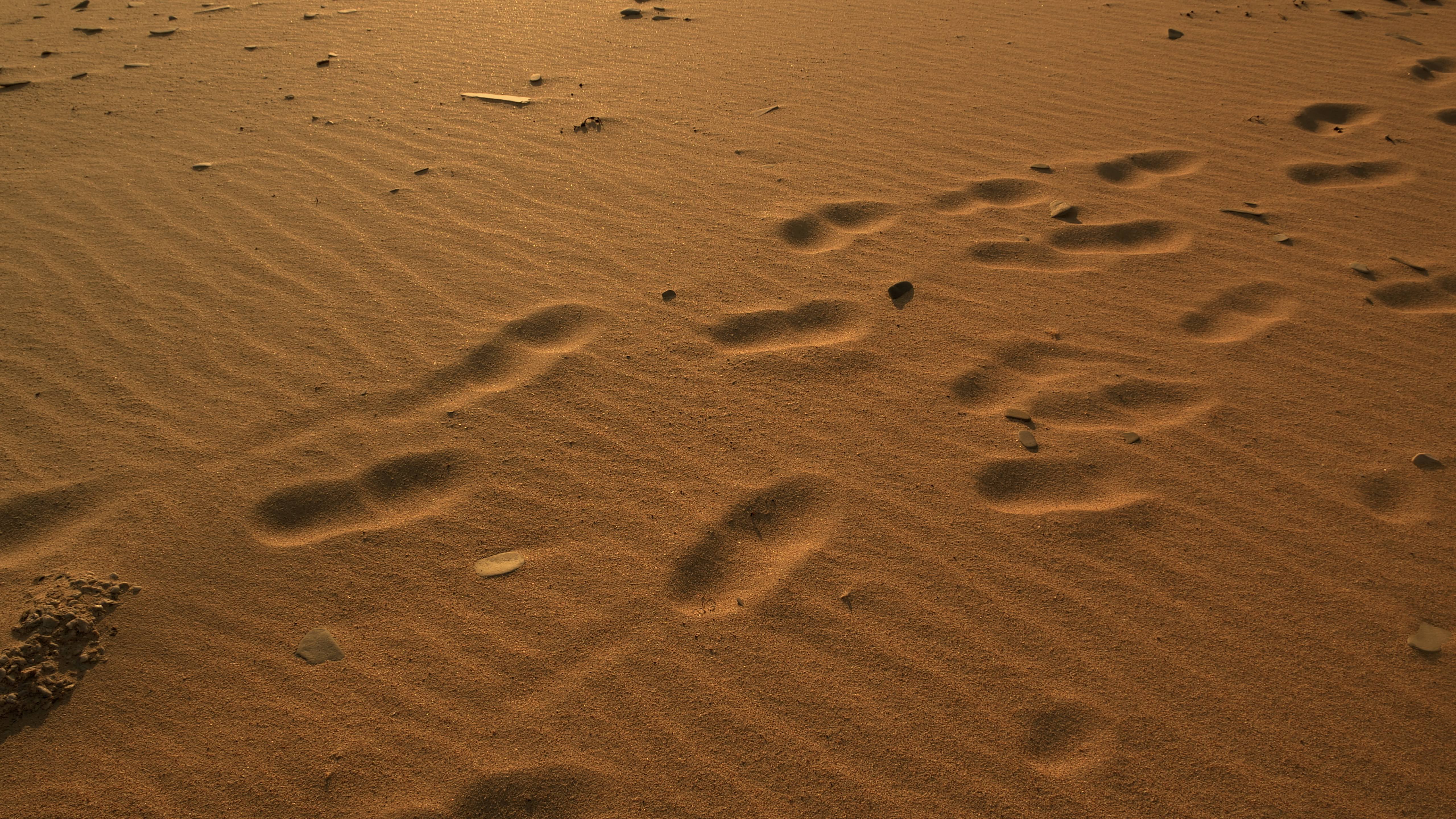
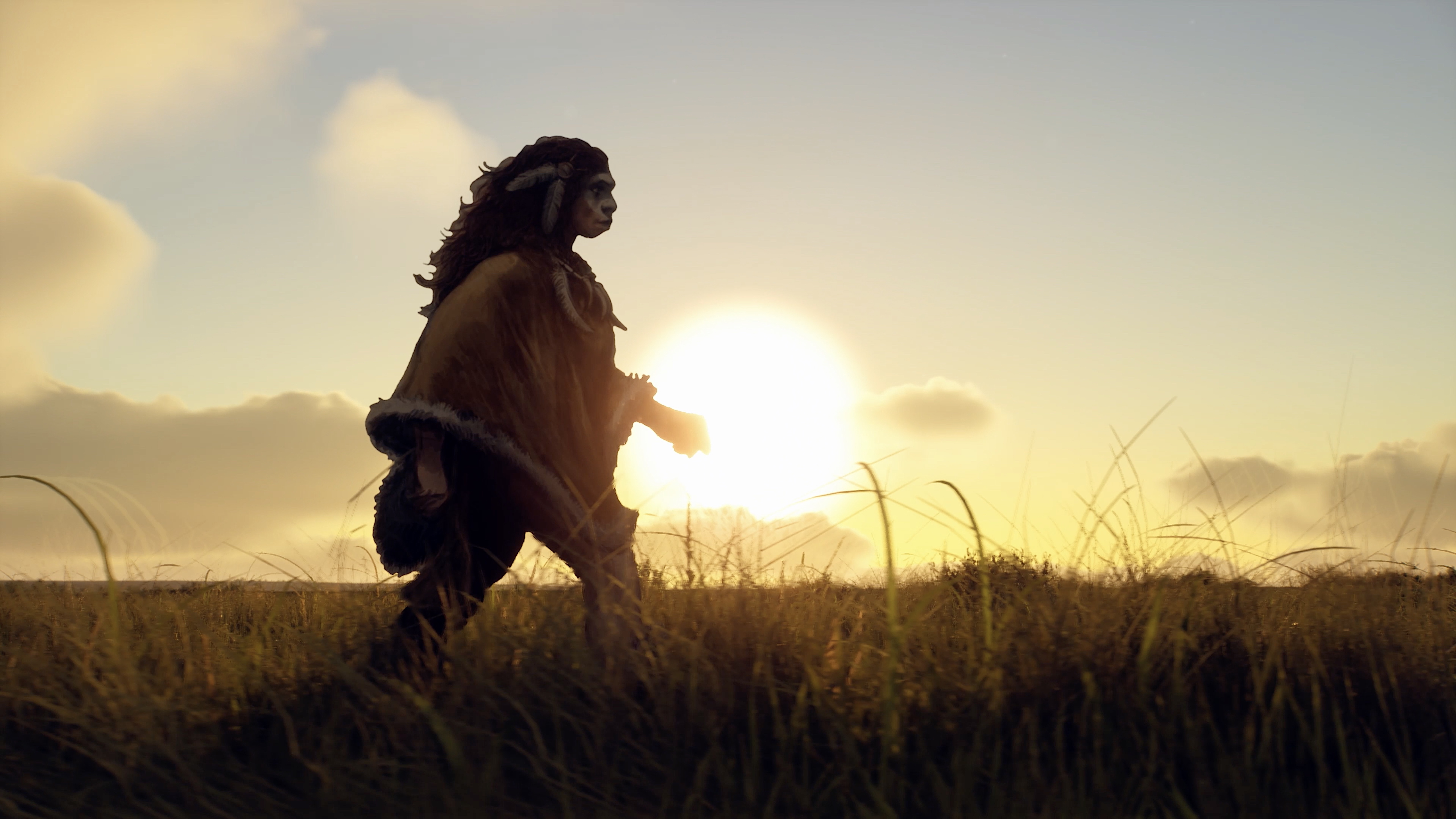
Threatened by marine erosion, the site of Le Rozel delivers rare vestiges of the daily life of Neanderthal populations who occupied this remarkable point of the Normandy coastline around 80,000 years ago. Among these fragile remains, more than 2000 footprints have been discovered: the largest collection of Neanderthal footprints in the world! Since 2012, archaeologist Dominique Cliquet has raced against the clock to excavate this site of international importance before the raging sea swallows up forever the traces of life left in the dunes by the Neanderthal men, women and children who frequented it. Via research conducted in recent years throughout Europe and beyond, still-unpublished archaeological investigation results take us on a dizzying journey through time, in the footsteps of another humanity: Neanderthal humanity. Little by little, archaeology is allowing us to glimpse the humanity of this disappeared species, so different from, and yet so close to, our own!
Length: 52 min
Country: France
Language: English
Director: David Geoffroy
Producer(s): Caroline Chassaing

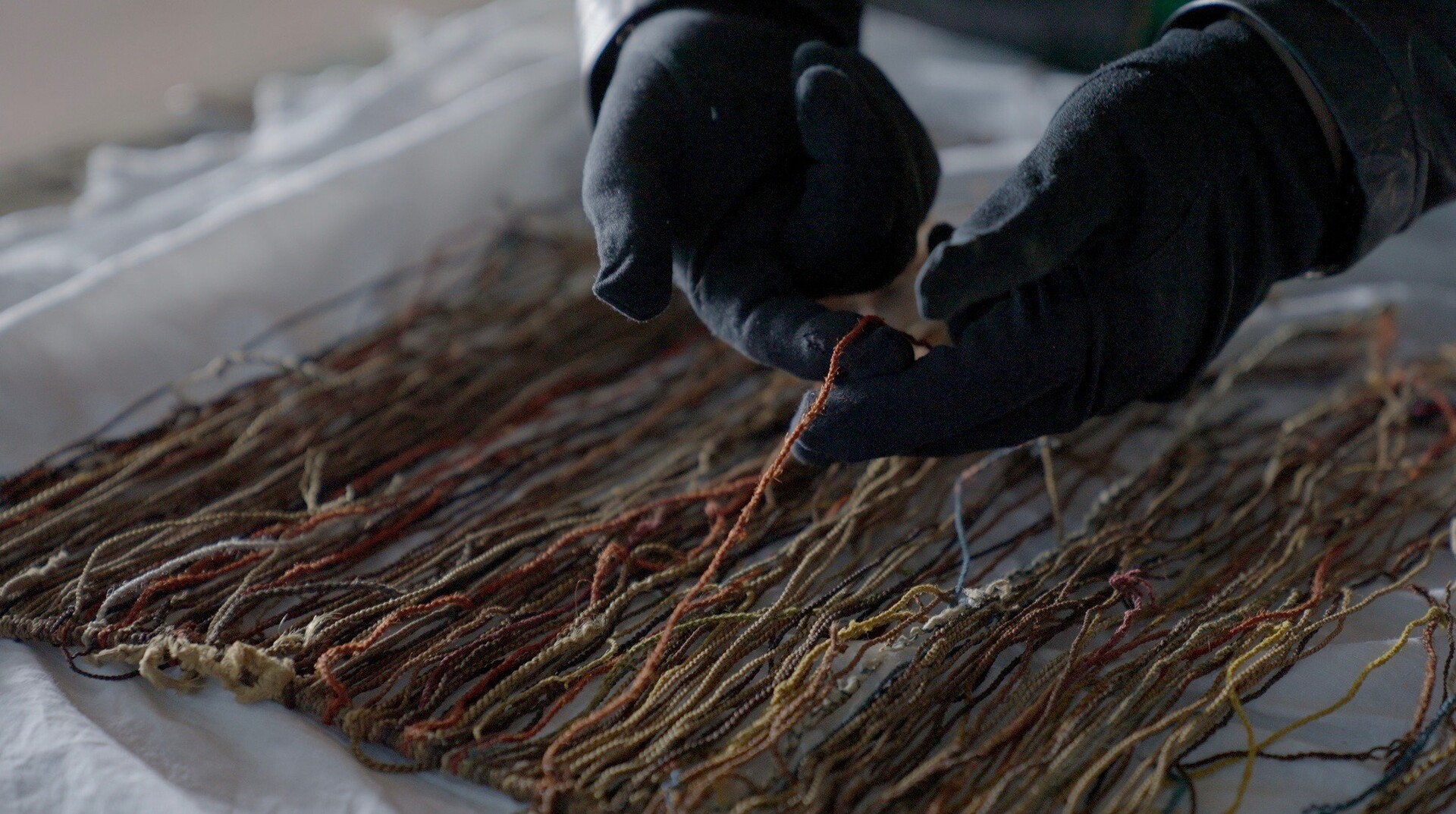
They were the masters of the Andes. They were the masters of the Pacific coasts of the South American continent. They created the first social superpower of the Americas. Their ancient name is still well known to us today: the Incas. Yet this remarkable civilization apparently never had a writing system. Their history has therefore been reported only by their enemies, the Spanish conquistadors who violently invaded their empire starting in 1532. However, for the last 15 years, thanks to new, advanced-technological tools and proliferating research programs, a new story of the Inca Empire has arisen, revealing new aspects, either unknown or badly understood, until now. What is the real story of the Incas, this legendary people? All over their ancient empire, scientists are gathering new clues by which to reconstruct the answers to this question.
Length: 90 min
Country: France
Language: French, Italian & Spanish
Director: Thibaud Marchand
Producer(s): Christie & Agnès Molia


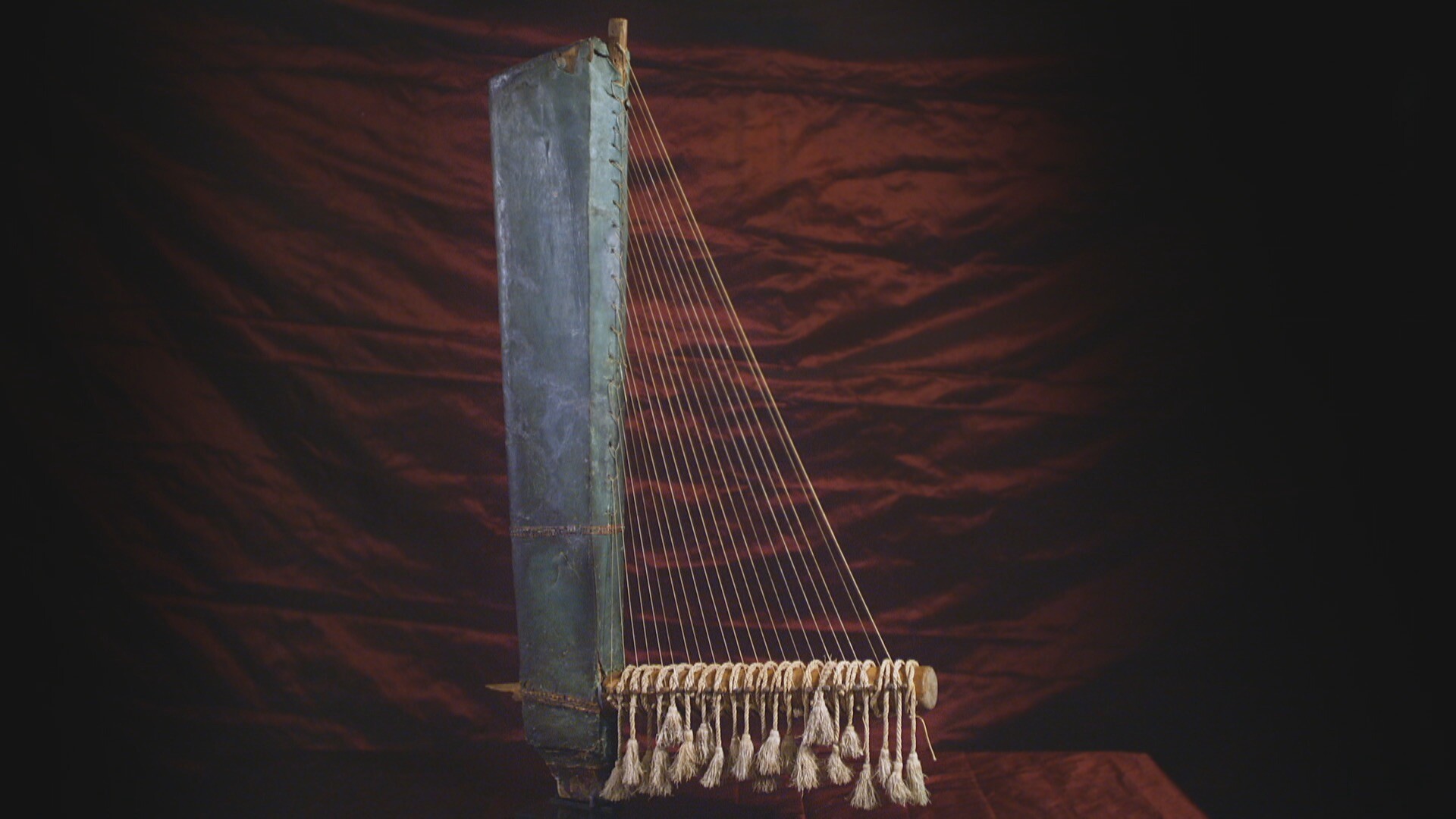
This film recounts the unexpected discovery—in the ancient Egyptian-Greek papyrus archives of the Louvre Museum—and the arduous decipherment, of a very ancient musical score. It invites us to follow the work on this ancient score by scientists, including by “music archaeologists” who are passionate about the sound worlds of ancient humanity. Abundant visual evidence—painted, sculpted, and carved into stone—of the importance of music in ancient civilizations exists. Even some of their ancient musical instruments have survived into our present day. But recovery of the sounds of this music is another matter. From Delphi to Pompeii, from Egyptian temples to the newest technically advanced laboratories, new discoveries are bringing back to life elements of the musical soundscapes of antiquity, otherwise lost forever.
Duration: 53 min
Country: France
Language: English, French & Latin
Director: Bernard George
Producer(s): Olivier de Bannes


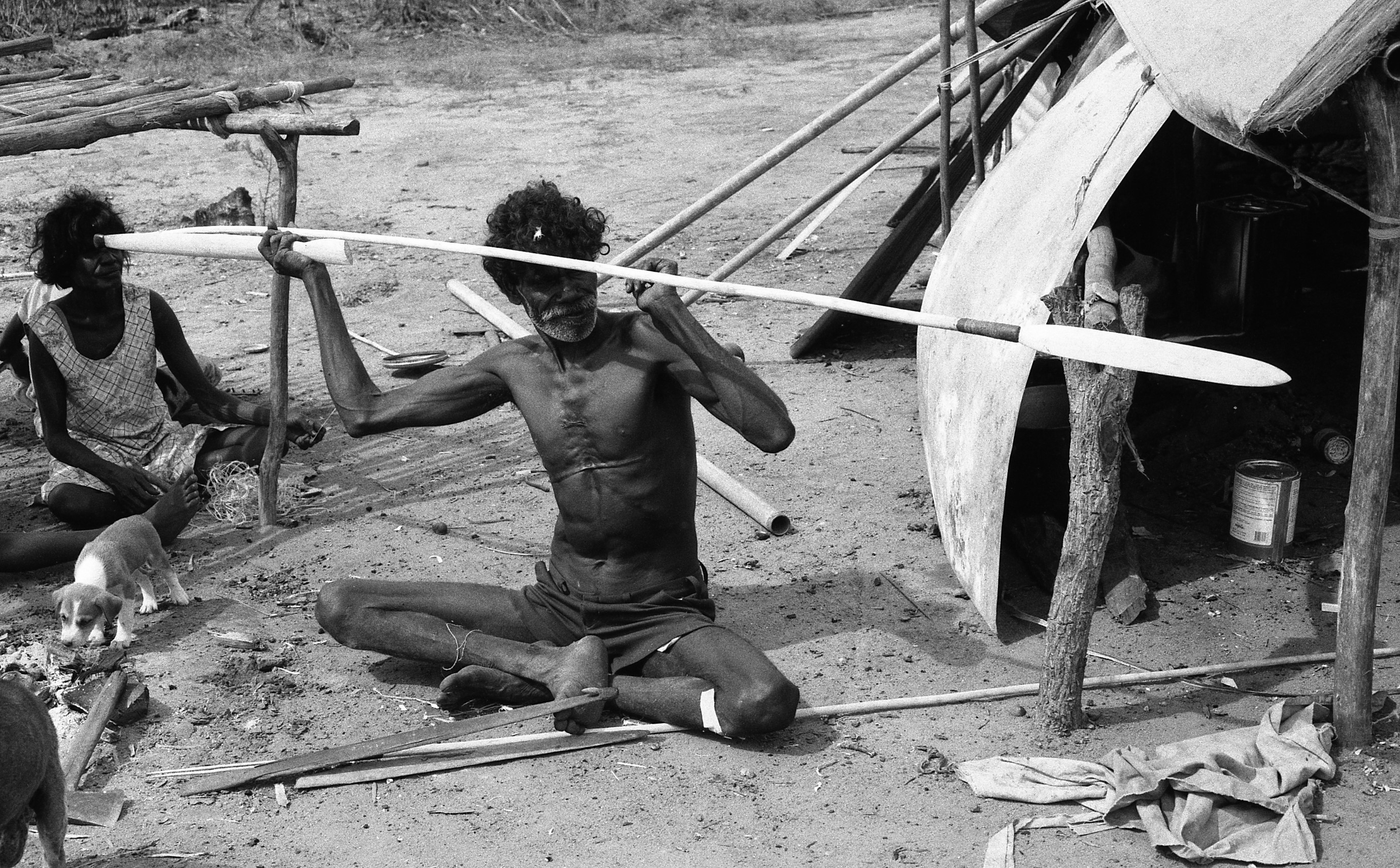
Donydji is a small Indigenous homeland in North East Arnhem Land in the far north of Australia. Homelands are situated within the traditional lands of the people who live in them. They are of central importance to those peoples’ identity and culture. This film charts the Donydji community’s transition from nomadic life to the digital age, starting in the 1960s and all the way to the present day. One family is featured, across three generations, from the traditional elder, Dhulutarama, who still knew how to make stone tools, to his granddaughter, Joanne Yindiri Guyula, who teaches at the Donydji school. This is a moving and representative portrait of one family’s struggle to preserve their culture and remain on their homeland despite the severe obstacles they face: sub-standard education, deplorable service delivery, lack of job opportunities for youth, inadequate government policy, bureaucratic mismanagement, and pressure from mining interests.
Length: 60 min
Country: Australia
Language: English
Director: Glenda Hambley
Producer(s): Glenda Hambley

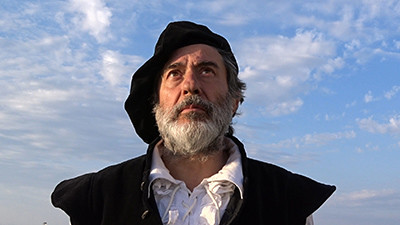
Few Greeks—and even few Spaniards—know that Greek sailors served on the ships of the mission of Magellan and Elcano, who 500 years ago attempted the long and turbulent journey that was to become the first known round-the-world voyage. This film is a rigorous documentary, but as told via a fictional vehicle. It contains a dialogue, wherein History interrogates the little-known Greek naval pilot who managed to return to Spain with the only surviving ship of this first circumnavigation, thereby bequeathing to the future, and to humanity’s written heritage, the nautical diary from that singular expedition.
Length: 38 min
Country: Spain
Language: Spanish w/English subttles
Director: Pedro Olalla
Producer(s): Pedro Olalla


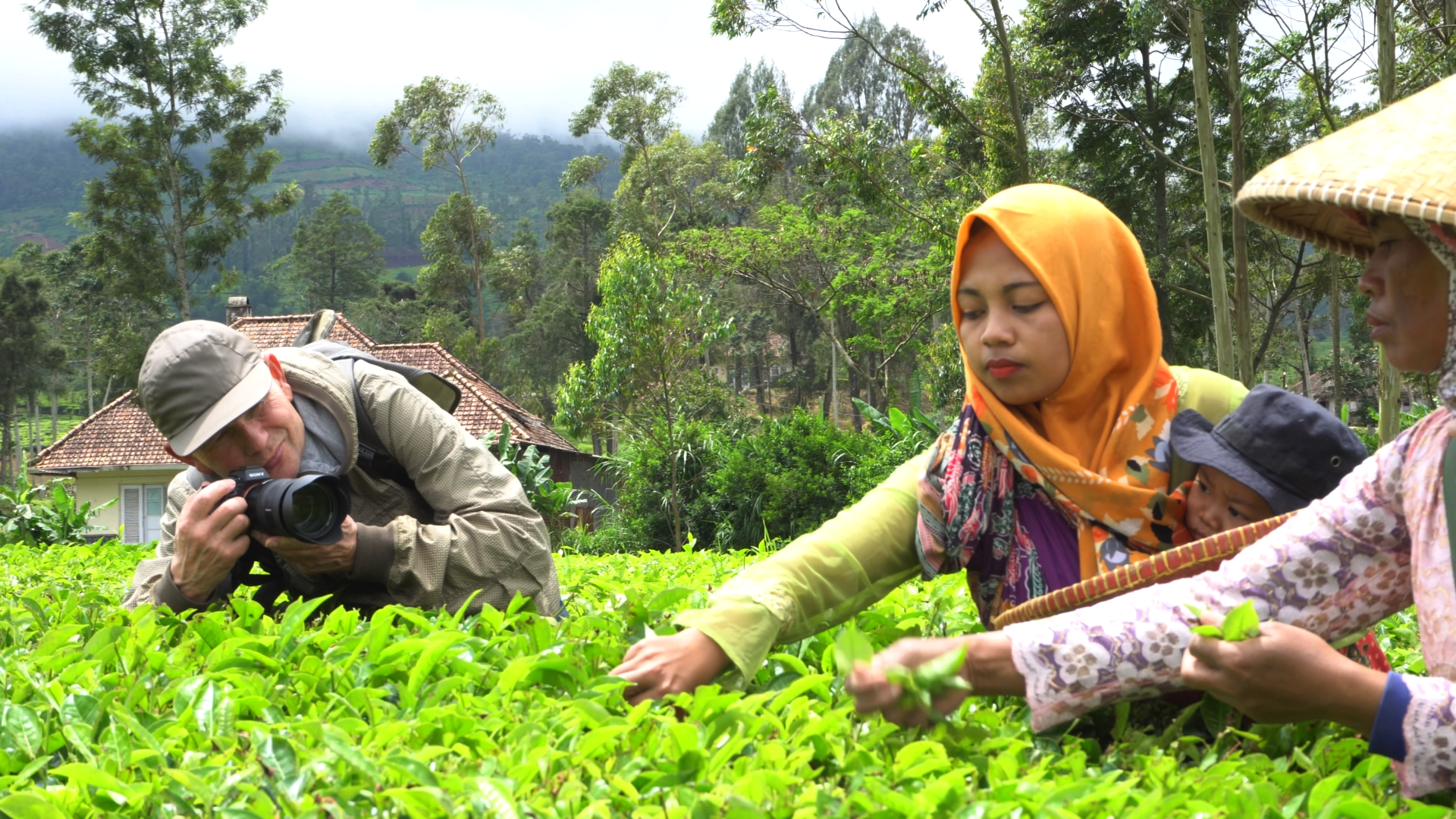
In 1911, in the Dutch Indies, Emile van Rouveroy, a young Dutch planter, fathered a daughter with his housekeeper, named Enok, a local Sundanese girl, then only 15 years of age. He legitimized Enok and raised their daughter, Nelly, in his own, white family. Nelly and her mother never saw each other again. One-hundred-ten years later, two of Emile’s grandchildren, Dorna van Rouveroy and Maurice Boyer, search for traces of Enok and of her fellow sufferers and descendants. They focus on what skin color and ethnic origin have meant; what they mean today; what it means to be an “Indo,”or partly colored, in modern Indonesia and in Dutch society; and what it means today to descend from a colonial family and to be bi-racial.
Length: 60 min
Country: Netherlands
Language: Dutch, English, Indonesian
Director: Dorna Xandre van Rouveroy van Nieuwaal
Producer(s): Dorna van Rouveroy
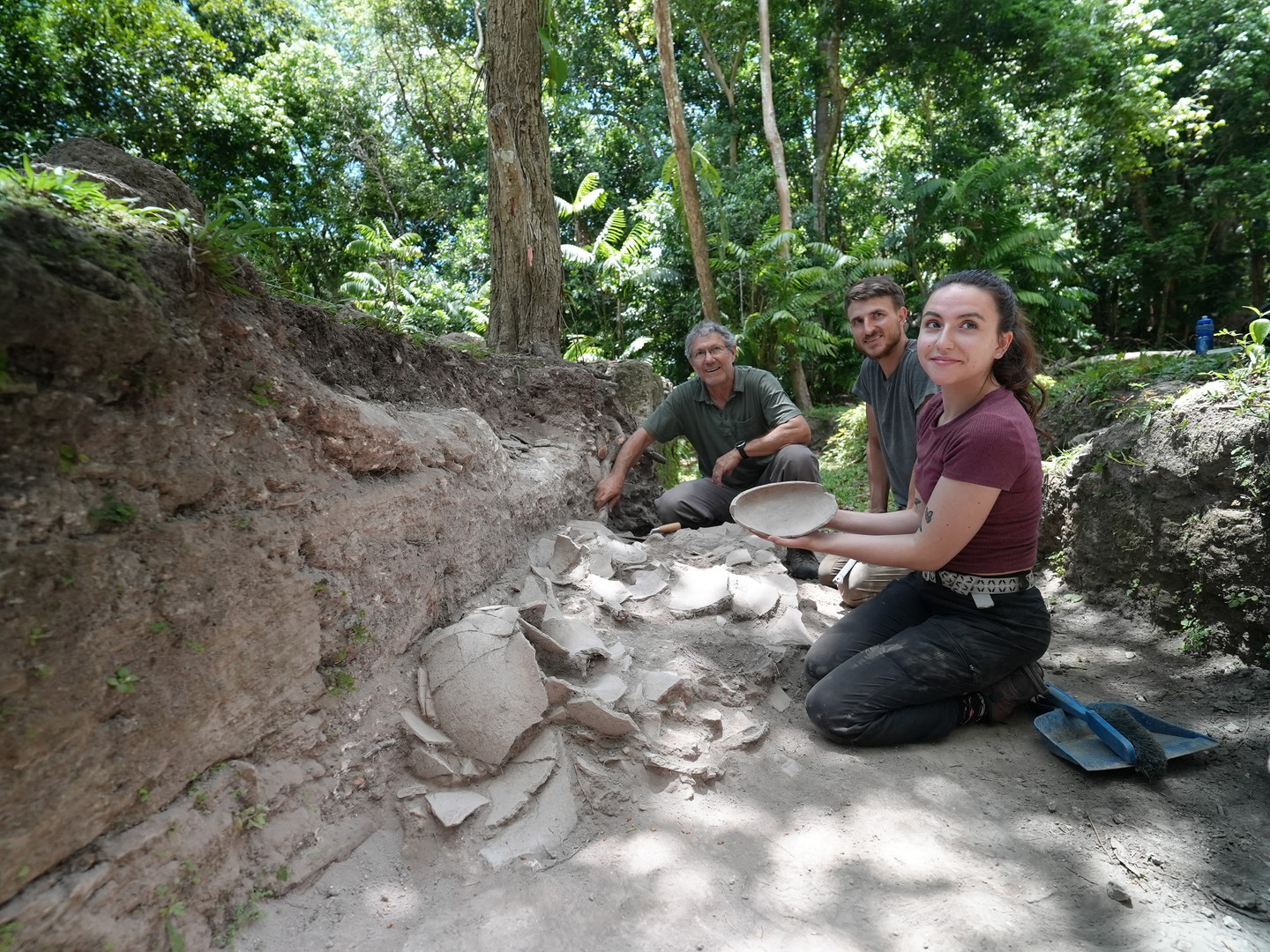
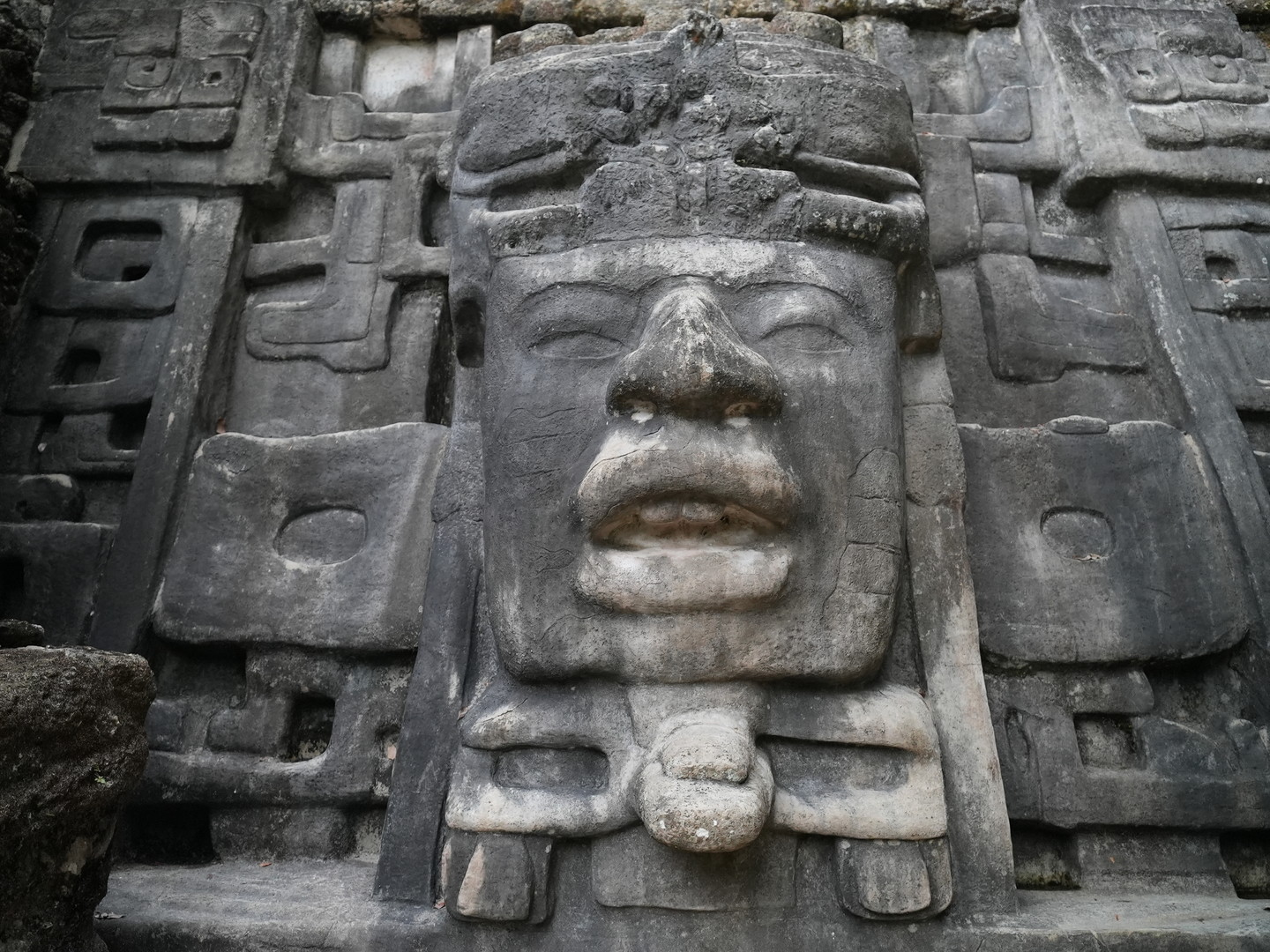
One of history’s greatest mysteries is that of the Maya, who built great rainforest cities across two millennia and then abruptly abandoned them. New discoveries reconstruct this story. Cave sites tell when the rains stopped and how long droughts lasted. Grave site bone analyses tell what the Maya ate, whence they came and how their lives changed. Lidar penetrates the jungle. CGI reveals Maya achievements like never before, uncovering the skilled geo-engineering that enabled increasingly complex and immense cities. One key find—the KomKom vase—offers the only known Maya writing at the cusp of their collapse. It details wars, dynastic power struggles, and failing governance amid deepening drought, and murder. Cave sites reveal escalating offerings, adult sacrifice and, in final desperation, child sacrifice. This film recounts the Maya collapse as it was written by the Maya themselves.
Length: 52 min
Country: Canada
Language: English
Director: Leif Kaldor
Producer(s): Leslea Mair
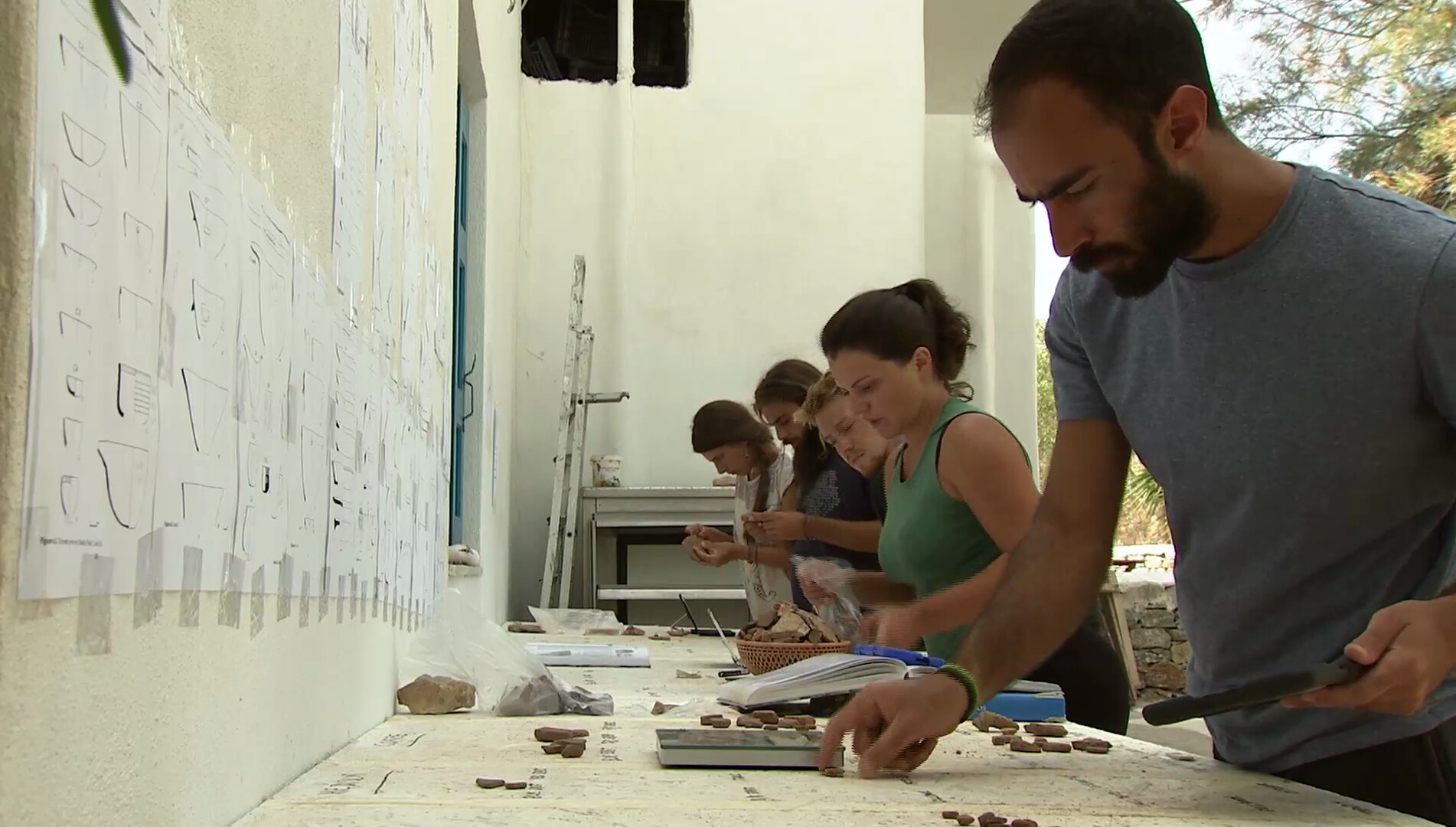
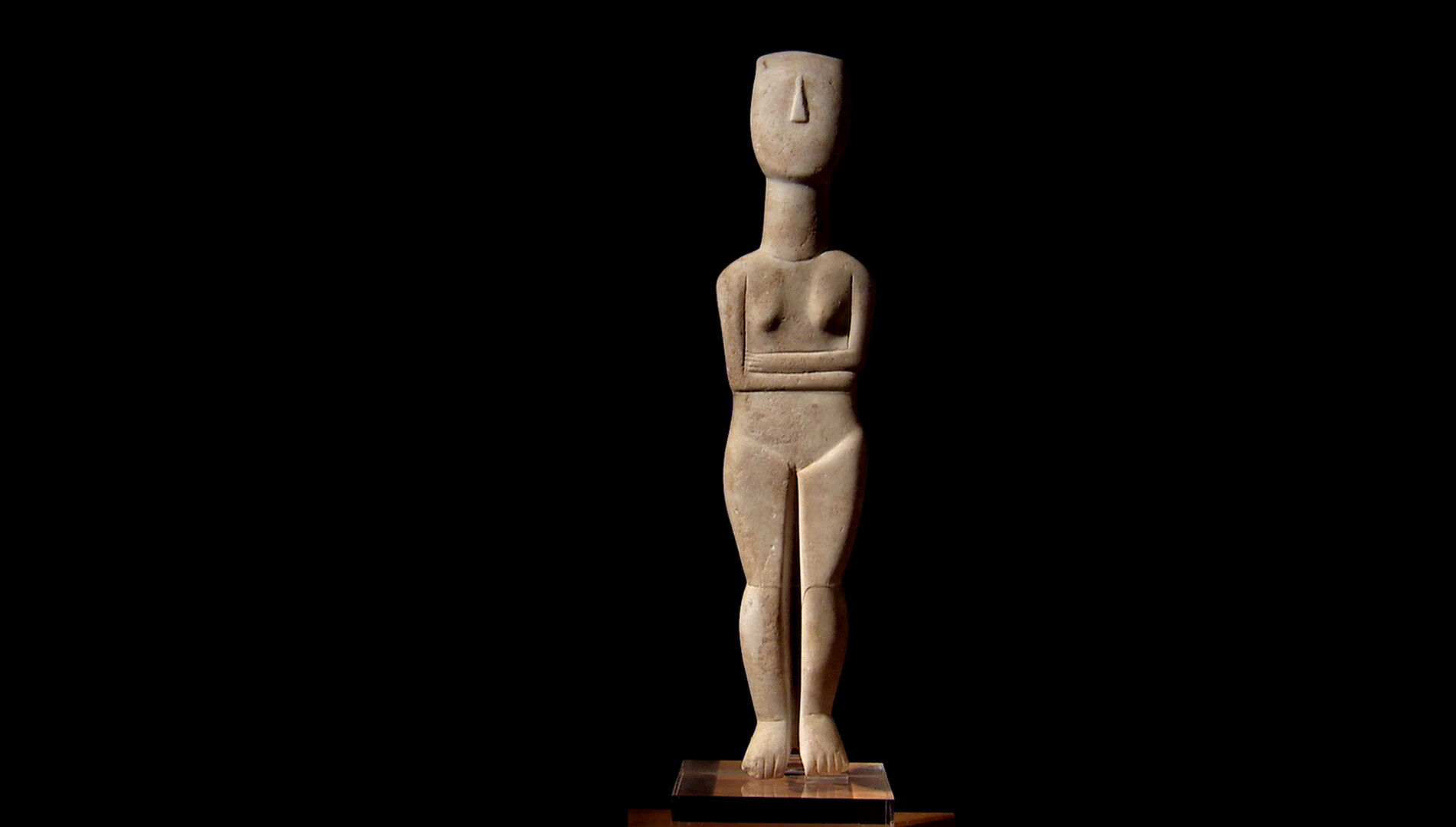
Archaeological excavations at the site of Dhaskalio, led by Colin Renfrew and Michael Boyd of the McDonald Institute of the University of Cambridge, have completely transformed our understanding of what was previously seen as a Cycladic enigma. The currently uninhabited island of Keros, in the Cyclades Islands of Greece, was the site of the world’s earliest known maritime sanctuary, in use during the Early Bronze Age. It was also a thriving center of early metallurgy, including Bronze and other metals production. The site also provides voluminous evidence about major early developments in architecture.
Length: 87 min
Country: Greece
Language: Greek & English
Director: Kostas Macheras
Producer(s): Michel Dimitrakakos Kostas Macheras

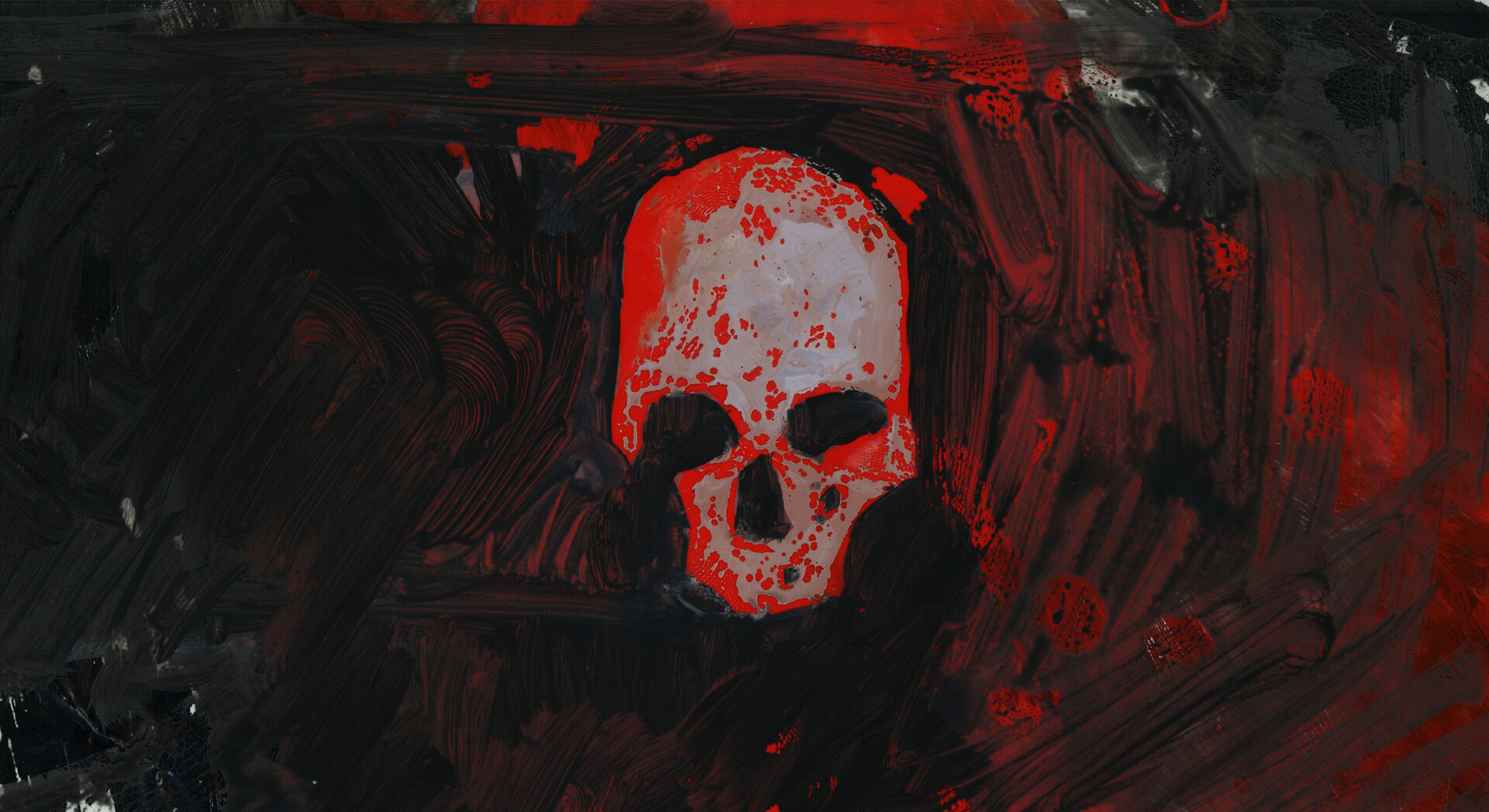
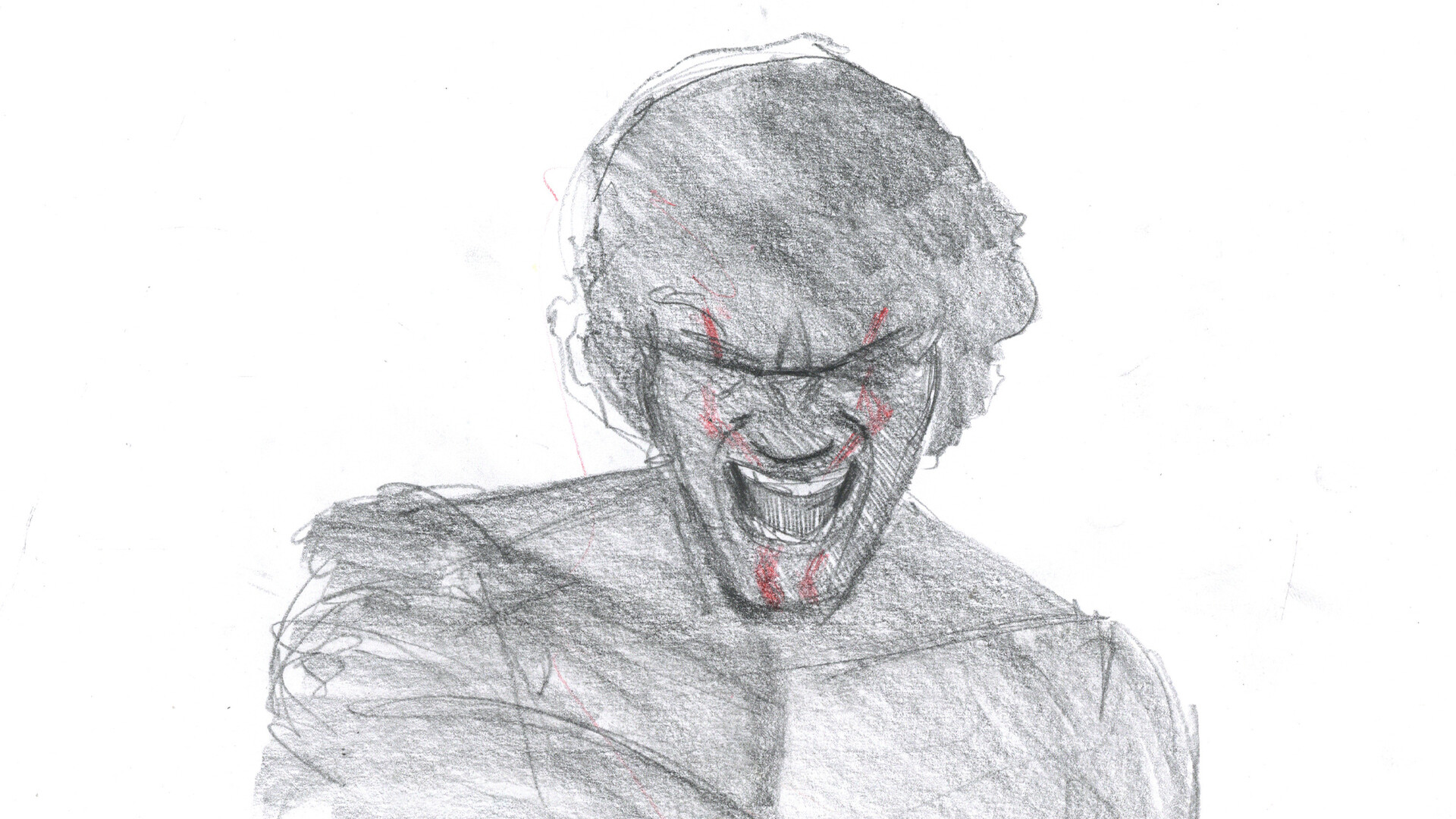
This animated film features hand-drawn visualizations accompanied by music and other sound effects, but without any speech sounds. These animated drawings dynamically envision pre-Neolithic tools, weapons—such as big game spears—and other artifacts, as well as pre-Neolithic practices, including big game hunting and its hazards, leading to a dramatic portrayal of a hunter’s violent death in a confrontation with his prey and the ensuing burial practices. Add to this the centuries-later rediscovery and display of the skeletal remains of our human ancestors, and of their artifacts, in modern museums.
Length: 4 min
Country: UK
Language: No dialogue
Director: Michael Blake
Producer(s): Michael Blake
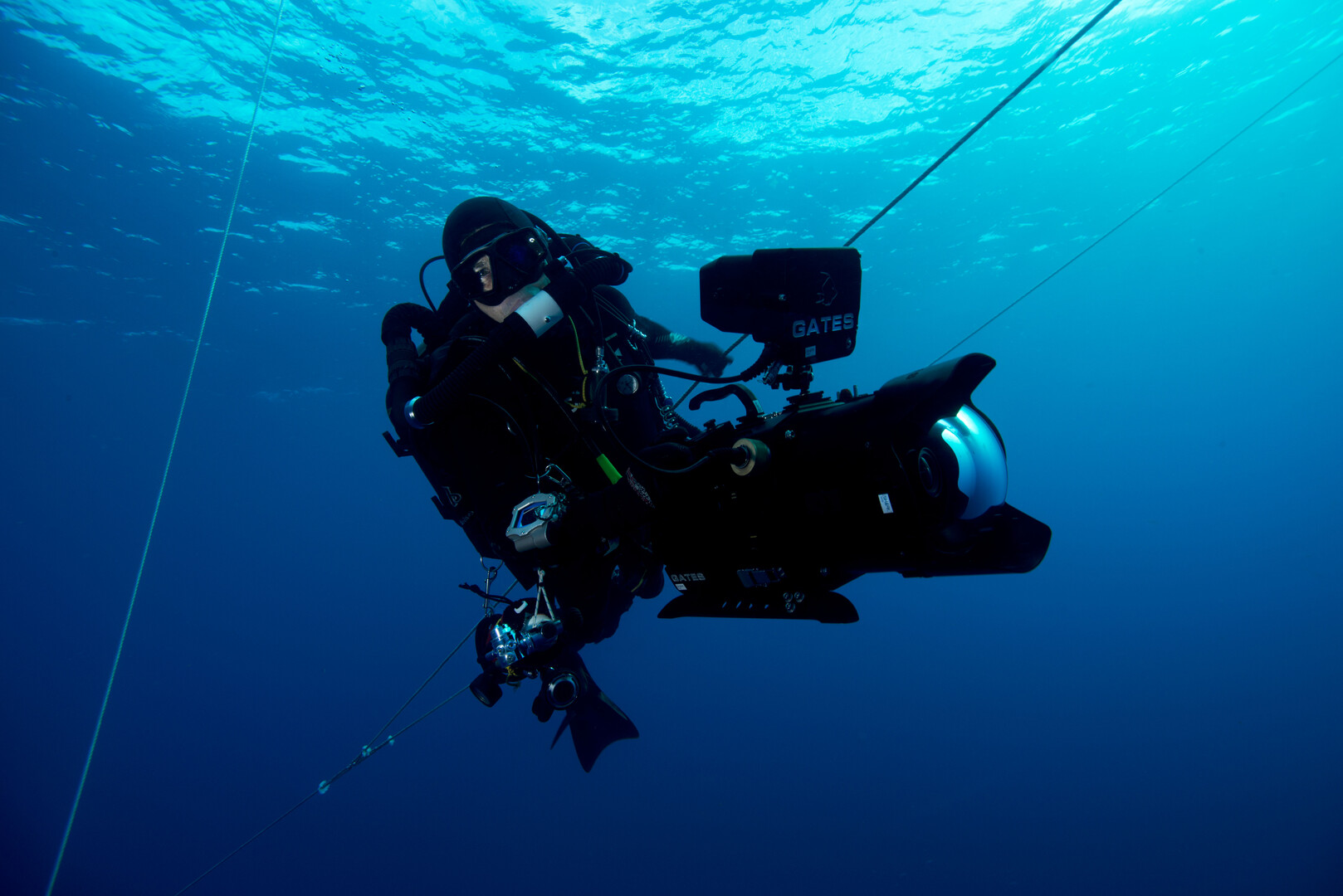
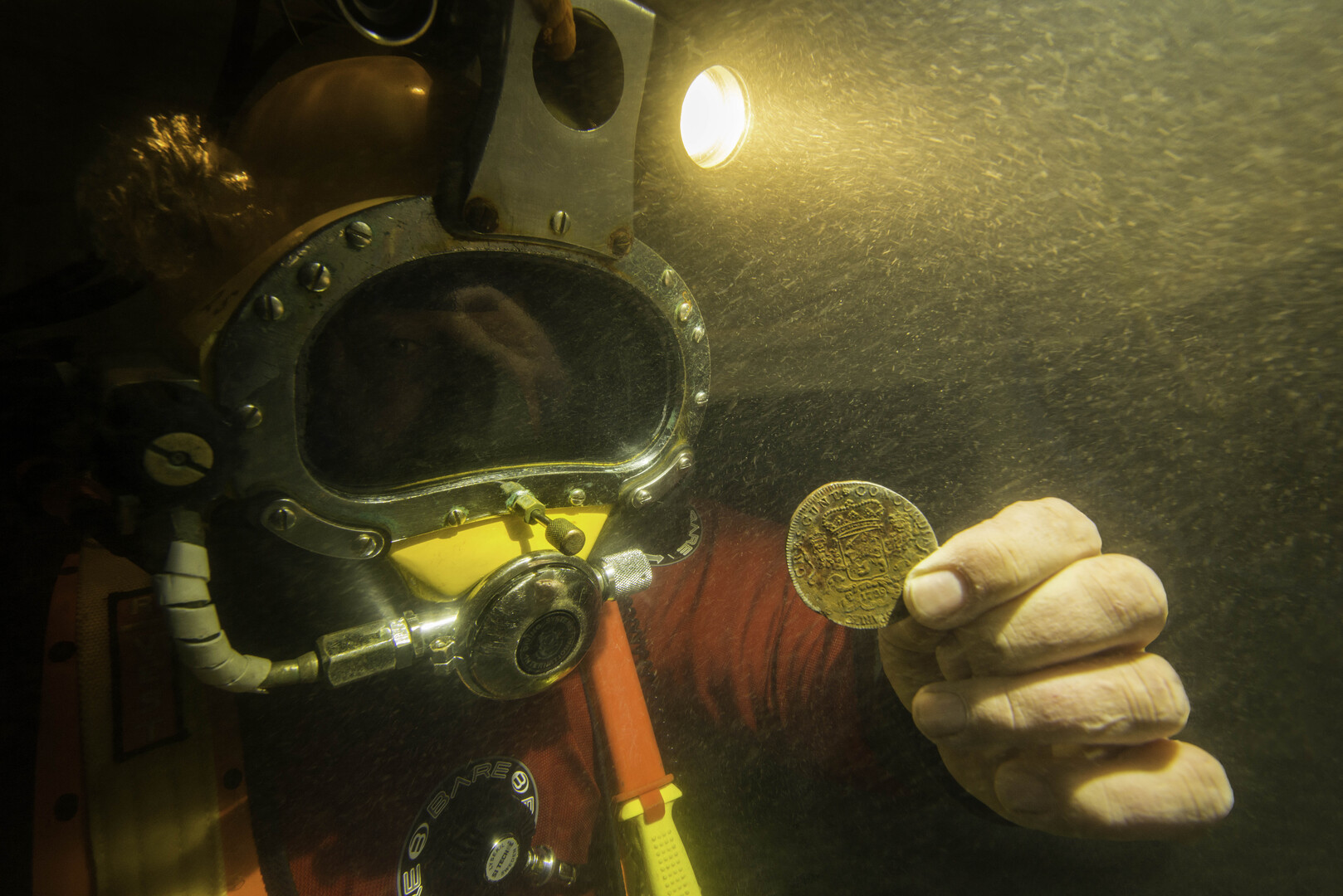
England—today an island nation-state—has been separated from the European continent by the ocean waters of the English Channel for the last 8,000 years. Seafaring across the English Channel, and via the Irish Sea—to invade, settle, or trade—has ensued for eons, from the Bronze Age all the way through to the 20th Century. And so have shipwrecks, caused by reefs, storms, piracy, and war. Each shipwreck tells a different tale from the long and rich record of British maritime history. In 1973, the British Parliament passed the Protection of Wrecks Act, which enabled the designation of restricted areas around significant shipwrecks to be monitored, researched and presented to the public by a system of volunteer maritime heritage conservationists. By 2023, 57 shipwrecks had received crucial protections under the Act.
Length: 35 min
Country: UK
Language: English
Director: Michael Pitts
Producer(s): Michael Pitts